
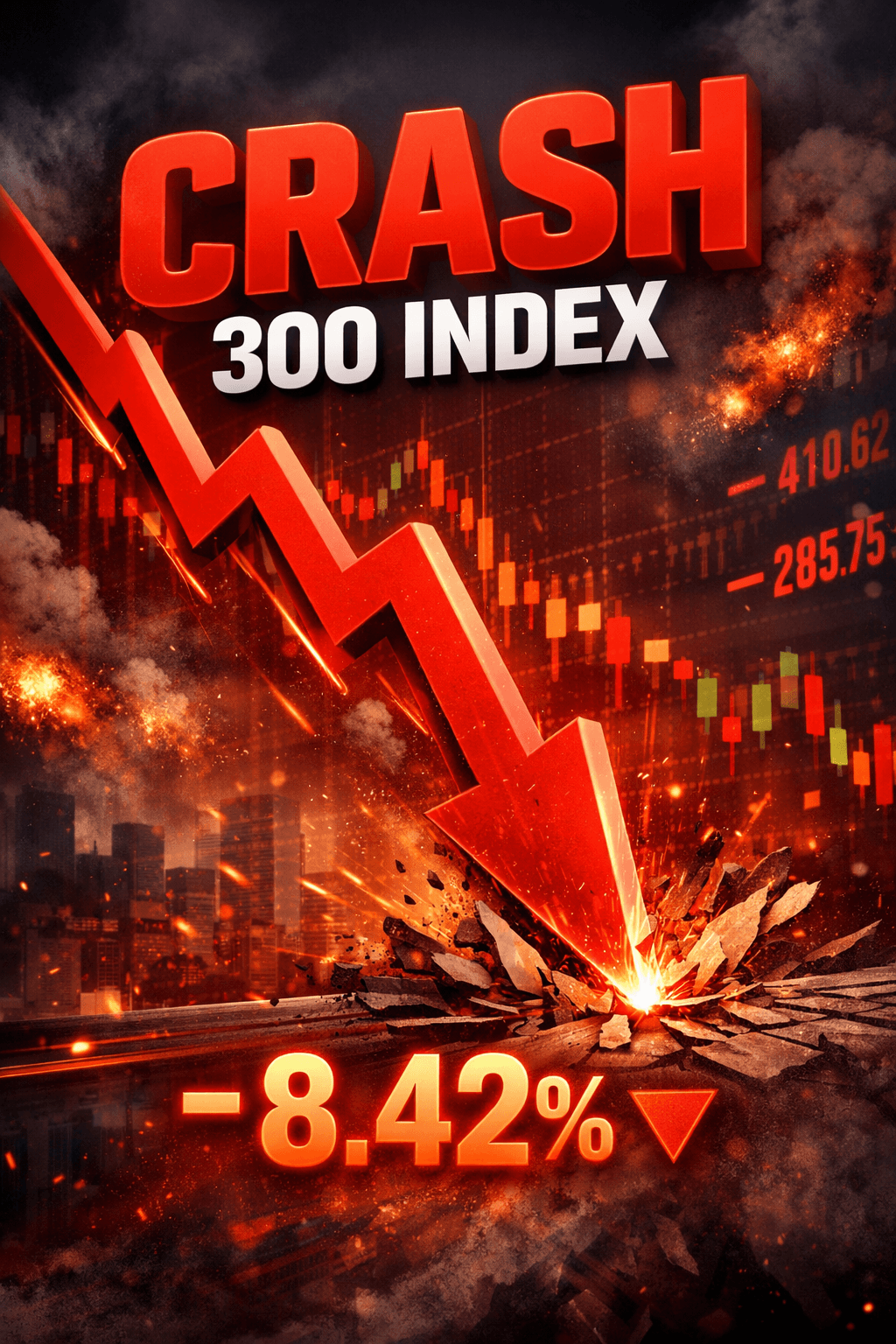
Crash 300 Index Market Fall Update
The stock market experienced a significant downturn today as the Crash 300 Index witnessed a sharp fall, leaving investors and analysts closely monitoring the situation. Market volatility has surged, and the latest numbers indicate widespread selling across multiple sectors.
Understanding the Crash 300 Index Fall
The Crash 300 Index is a benchmark that reflects the performance of the top 300 companies listed in the market. When the index falls dramatically, it signals that investors are pulling out funds, often due to economic uncertainty, negative corporate earnings, or global financial pressures. Today, the index dropped by over 2.5%, causing panic among traders and investors alike.
Several factors contributed to this decline. Firstly, concerns about inflation and rising interest rates have created a cautious investment climate. Investors are wary of long-term returns, prompting them to move funds from equities to safer assets such as bonds or gold. Secondly, geopolitical tensions and supply chain disruptions have added to the uncertainty, further driving market volatility.
Impact on Investors and Traders
A fall in the Crash 300 Index affects investors in multiple ways. Short-term traders may see opportunities to profit from volatility, while long-term investors might feel the pressure to rethink their portfolios. Many financial advisors suggest holding onto diversified investments and avoiding panic selling, as markets often recover over time.
For retail investors, this crash serves as a reminder of the risks inherent in stock market investments. It’s crucial to maintain a clear strategy, understand risk tolerance, and stay informed about market developments. Those heavily invested in sectors contributing to the index drop may need to rebalance their portfolios to minimize potential losses.
Sector-wise Performance
Analyzing the sector-wise performance, technology and banking stocks were hit the hardest. Tech stocks, which had seen a significant rally in the past months, experienced a steep decline due to profit-taking and regulatory concerns. Banking shares also fell, reflecting fears of rising non-performing assets and slower loan growth.
On the other hand, defensive sectors like healthcare and consumer staples showed relative stability. Investors often shift their focus to such sectors during market downturns, seeking safety in companies with consistent demand and reliable earnings.
Market Sentiment and Predictions
The market sentiment remains cautious as investors await updates from global economic indicators, corporate earnings, and central bank announcements. Analysts predict that while short-term fluctuations may continue, the market could stabilize if supportive monetary policies are introduced and economic indicators improve.
For now, traders are advised to keep a close eye on intraday movements, avoid speculative trades, and consider hedging strategies to protect their investments. Diversification remains key, as relying on a single index or sector can expose investors to significant risk.
Conclusion
The Crash 300 Index fall is a stark reminder of the unpredictable nature of stock markets. While market declines can be unsettling, they also present opportunities for informed and strategic investors. Staying calm, analyzing trends, and making data-driven decisions are essential steps in navigating such turbulent times.
Investors should continue monitoring updates closely, adjust their investment strategies accordingly, and remain vigilant for any signs of market recovery. As always, patience, diversification, and research-driven decisions are the best tools to weather the storm and emerge stronger when markets rebound.
For traders looking to navigate the Crash 300 Index effectively, platforms like MetaTrader 5 provide advanced charting tools, technical indicators, and real-time data to make informed decisions. Similarly, Deriv offers flexible trading options, including CFDs and digital options, that allow both beginners and experienced traders to participate in market movements with ease. By leveraging these platforms, investors can implement strategies to manage risks while capitalizing on potential market volatility. Always ensure you understand the instruments before trading and use risk management tools to protect your investments.
