High Protein Vegetarian Meals: 15 Easy Recipes for Healthy Muscle Fuel
Why High Protein Vegetarian Meals Are Important
If you’re searching for nutritious and satisfying high protein vegetarian meals, you’re in the right place. Whether you want to build muscle, lose weight, or simply maintain steady energy levels, protein plays a key role in your diet.
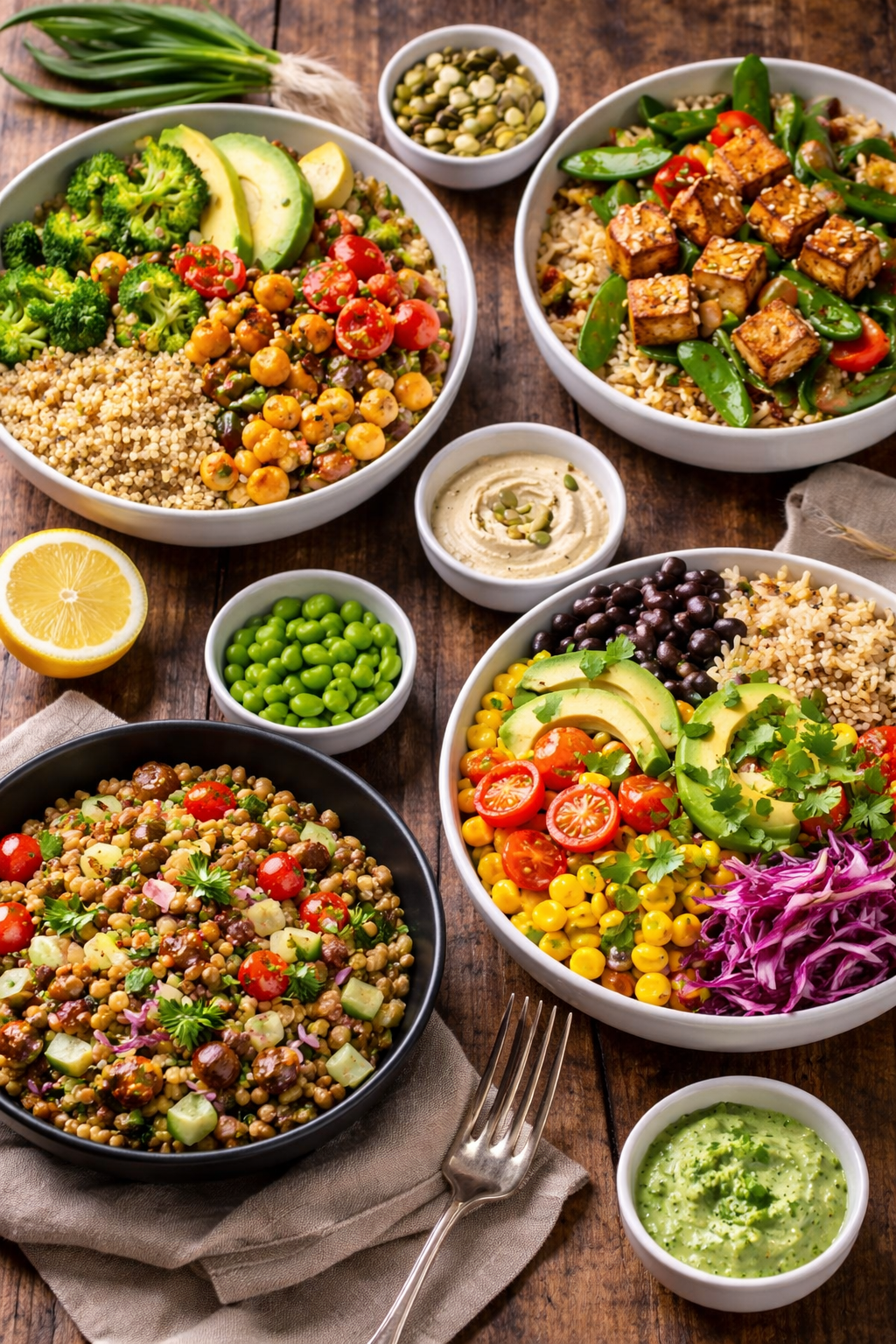
Many people assume vegetarian meals lack protein, but that’s far from true. With ingredients like lentils, tofu, quinoa, chickpeas, Greek yogurt, and beans, you can create balanced high protein vegetarian meals that rival any meat-based dish.
According to Harvard Health, plant-based proteins can effectively support muscle growth and overall wellness:
https://www.health.harvard.edu/staying-healthy/plant-protein-may-help-build-muscle
Best Protein Sources for High Protein Vegetarian Meals
To create filling and balanced high protein vegetarian meals, include:
-
Lentils (18g protein per cup)
-
Chickpeas (14g protein per cup)
-
Tofu (20g protein per cup)
-
Greek yogurt (15–20g protein per serving)
-
Quinoa (8g protein per cup)
-
Black beans (15g protein per cup)
-
Edamame (17g protein per cup)
These ingredients form the foundation of strong vegetarian meal planning.
15 Easy High Protein Vegetarian Meals
1. Lentil and Quinoa Power Bowl
Packed with fiber and plant protein.
2. Tofu Stir Fry with Vegetables
Quick, high-protein, and meal prep friendly.
3. Chickpea Spinach Curry
Rich in protein and iron.
4. Black Bean Burrito Bowl
High protein and customizable.
5. Greek Yogurt Protein Parfait
Perfect for breakfast.
6. Edamame and Brown Rice Bowl
Balanced and filling.
7. High Protein Veggie Omelette
Great for muscle recovery.
8. Cottage Cheese and Avocado Toast
Simple and protein-rich.
9. Lentil Soup with Vegetables
Comforting and nutrient-dense.
10. Protein Packed Vegetarian Chili
Made with beans and lentils.
11. Tofu Scramble Breakfast Bowl
Egg-free high protein option.
12. Chickpea Salad Sandwich
Quick and satisfying.
13. Quinoa Stuffed Bell Peppers
Complete protein meal.
14. Greek Yogurt Smoothie Bowl
Great post-workout meal.
15. Peanut Butter Protein Oats
Ideal for weight gain or muscle building.
How to Balance High Protein Vegetarian Meals
For optimal nutrition, combine:
-
Protein sources
-
Healthy fats
-
Complex carbohydrates
-
Fiber-rich vegetables
A balanced plate ensures steady blood sugar and longer-lasting fullness.
The USDA recommends incorporating legumes and plant-based proteins regularly:
https://www.myplate.gov/eat-healthy/protein-foods
Tips for Building Muscle with High Protein Vegetarian Meals
-
Aim for 20–30g protein per meal
-
Include protein at every meal
-
Combine legumes with whole grains
-
Track daily protein intake
-
Use Greek yogurt or protein powder when needed
High protein vegetarian meals can support muscle growth just as effectively as meat-based diets when planned properly.
Meal Prep Ideas for High Protein Vegetarian Meals
Prepare large batches of:
-
Lentils
-
Quinoa
-
Roasted vegetables
-
Tofu
Store in airtight containers for easy weekly meal prep.
FAQs About High Protein Vegetarian Meals
Can you build muscle with vegetarian meals?
Yes. High protein vegetarian meals provide essential amino acids when properly combined.
How much protein do vegetarians need daily?
Most adults need 0.8g per kg of body weight, while active individuals may need more.
Are plant proteins complete proteins?
Some are (like quinoa and soy). Others can be combined to form complete proteins.
Why High Protein Vegetarian Meals Support Long-Term Health
Choosing high protein vegetarian meals isn’t just beneficial for muscle growth — it also supports heart health, digestion, and long-term wellness. Plant-based protein sources such as lentils, beans, tofu, and quinoa contain fiber, antioxidants, and essential micronutrients that animal-based proteins often lack.
Research shows that plant-based diets may reduce the risk of heart disease and high blood pressure. According to the American Heart Association, diets rich in legumes and plant proteins can improve cardiovascular health:
https://www.heart.org/en/healthy-living/healthy-eating/eat-smart/protein
Additionally, legumes and whole grains help maintain steady blood sugar levels, which is especially important for individuals managing diabetes or insulin resistance. The Centers for Disease Control and Prevention highlights the importance of balanced meals that include plant-based protein sources:
https://www.cdc.gov/diabetes/managing/eat-well.html
By focusing on high protein vegetarian meals that include beans, lentils, soy products, nuts, and seeds, you create a sustainable eating pattern that promotes both energy and metabolic health.
How to Increase Protein in Vegetarian Meals Naturally
If you want to maximize the benefits of high protein vegetarian meals, consider simple strategies to boost protein content:
-
Add hemp seeds or chia seeds to smoothies and oatmeal
-
Use Greek yogurt instead of regular yogurt
-
Replace white rice with quinoa
-
Add lentils to soups, salads, and pasta dishes
-
Incorporate tofu or tempeh into stir-fries
Soy-based foods like tofu and tempeh are considered complete proteins because they contain all nine essential amino acids. You can read more about complete plant proteins here:
https://www.hsph.harvard.edu/nutritionsource/what-should-you-eat/protein/
Planning your meals around protein-rich vegetarian staples ensures that each plate is balanced and satisfying.
Are High Protein Vegetarian Meals Good for Weight Loss?
Yes. High protein vegetarian meals can increase satiety, reduce cravings, and support fat loss while preserving lean muscle mass. Protein takes longer to digest, helping you feel full for extended periods.
When combined with fiber-rich vegetables and whole grains, these meals stabilize energy levels and reduce unnecessary snacking.
By building meals around lentils, beans, tofu, quinoa, and dairy-based protein sources, you can create a powerful and sustainable nutrition plan that supports muscle growth, weight management, and overall health.
Complete Guide to High Protein Vegetarian Meals for Strength, Energy, and Weight Management
When it comes to building a balanced diet, high protein vegetarian meals play a critical role in supporting muscle repair, metabolic health, and sustained energy. Contrary to outdated beliefs, vegetarian diets can provide all the protein your body needs — as long as they are planned properly.
Protein is essential for:
-
Muscle growth and recovery
-
Hormone production
-
Enzyme function
-
Immune system support
-
Satiety and appetite control
According to the National Institutes of Health (NIH), protein is required in every cell of the human body and is vital for tissue maintenance and repair:
https://ods.od.nih.gov/factsheets/Protein-Consumer/
A well-structured vegetarian diet can meet and even exceed protein needs for most individuals, including athletes.
Understanding Complete vs. Incomplete Proteins in Vegetarian Diets
One of the most common questions about high protein vegetarian meals is whether plant-based proteins are complete. A complete protein contains all nine essential amino acids that the body cannot produce on its own.
Complete plant-based protein sources include:
-
Quinoa
-
Soy products (tofu, tempeh, edamame)
-
Buckwheat
-
Hemp seeds
Other plant foods may lack one or more essential amino acids, but combining foods solves this easily. For example:
-
Rice + beans
-
Hummus + whole wheat pita
-
Peanut butter + whole grain bread
Harvard School of Public Health explains how combining plant proteins ensures adequate amino acid intake:
https://www.hsph.harvard.edu/nutritionsource/what-should-you-eat/protein/
By incorporating a variety of legumes, whole grains, nuts, and seeds, high protein vegetarian meals become nutritionally complete.
Daily Protein Requirements for Vegetarians
The Recommended Dietary Allowance (RDA) for protein is approximately 0.8 grams per kilogram of body weight for sedentary adults. However, those who are physically active or aiming to build muscle may require 1.2–2.0 grams per kilogram.
For example:
-
150 lb person (68 kg) → 54g protein minimum
-
Active individual → 80–120g protein
According to the Academy of Nutrition and Dietetics, well-planned vegetarian diets are appropriate for all life stages, including athletes:
https://www.eatright.org/food/nutrition/vegetarian-and-special-diets/vegetarian-diets
High protein vegetarian meals can easily help you meet these goals when structured strategically.
Best Ingredients to Include in High Protein Vegetarian Meals
To maximize protein intake naturally, build meals around these powerhouse ingredients:
Lentils
One cup provides approximately 18 grams of protein plus iron and fiber.
Chickpeas
A versatile ingredient delivering about 14 grams of protein per cup.
Tofu
Made from soybeans, tofu contains around 20 grams of protein per cup and is considered a complete protein.
Tempeh
Even higher in protein than tofu, tempeh contains around 30 grams per cup.
Greek Yogurt
Offers 15–20 grams of protein per serving, making it ideal for breakfast and snacks.
Cottage Cheese
High in casein protein, which digests slowly and supports muscle recovery.
Quinoa
A complete protein grain with about 8 grams per cup.
Edamame
Provides around 17 grams of protein per cup and is rich in antioxidants.
Sample Weekly High Protein Vegetarian Meal Plan
Here’s how a week of high protein vegetarian meals might look:
Breakfast Options
-
Greek yogurt parfait with nuts and seeds
-
Protein smoothie with peanut butter and chia seeds
-
Tofu scramble with whole grain toast
Lunch Ideas
-
Lentil and quinoa bowl
-
Chickpea salad with avocado
-
Black bean burrito bowl
Dinner Options
-
Tofu stir fry with brown rice
-
Tempeh tacos with cabbage slaw
-
Vegetarian chili with kidney beans and lentils
Snacks
-
Roasted edamame
-
Cottage cheese with berries
-
Protein overnight oats
This balanced approach ensures adequate protein at every meal.
Benefits of High Protein Vegetarian Meals for Weight Loss
High protein vegetarian meals can support weight management by increasing satiety and reducing cravings. Protein requires more energy to digest compared to carbohydrates or fats, which slightly increases calorie expenditure.
According to research published by the National Library of Medicine, higher protein intake can help preserve lean muscle mass during weight loss:
https://www.ncbi.nlm.nih.gov/pmc/articles/PMC4258944/
Additionally, plant-based diets tend to be higher in fiber, which supports digestion and fullness.
High Protein Vegetarian Meals for Athletes
Athletes often worry that vegetarian diets lack sufficient protein for performance and recovery. However, plant-based athletes can thrive when consuming adequate calories and diverse protein sources.
The American College of Sports Medicine emphasizes that protein timing and total intake matter more than protein source:
https://www.acsm.org/docs/default-source/files-for-resource-library/protein-intake-for-optimal-muscle-maintenance.pdf
Post-workout vegetarian protein options include:
-
Protein smoothies with soy milk
-
Greek yogurt bowls
-
Lentil pasta with vegetables
-
Tofu rice bowls
Strategic planning ensures optimal recovery and muscle repair.
Micronutrients to Watch in Vegetarian Diets
While high protein vegetarian meals provide many nutrients, it’s important to monitor:
-
Vitamin B12
-
Iron
-
Zinc
-
Omega-3 fatty acids
B12 is primarily found in animal products, so fortified foods or supplements may be necessary. The NIH provides guidance on B12 needs:
https://ods.od.nih.gov/factsheets/VitaminB12-Consumer/
Iron absorption can be improved by pairing plant-based iron sources with vitamin C-rich foods.
How to Meal Prep High Protein Vegetarian Meals Efficiently
Meal prepping simplifies consistent protein intake.
Step 1: Cook Protein Bases in Bulk
Prepare large batches of lentils, quinoa, tofu, or beans.
Step 2: Roast Vegetables
Roasted vegetables add flavor and fiber.
Step 3: Store Properly
Use airtight containers to maintain freshness for 4–5 days.
Step 4: Rotate Flavors
Use different sauces, herbs, and spices to avoid repetition.
This system ensures that high protein vegetarian meals are convenient and sustainable.
Common Myths About High Protein Vegetarian Meals
Myth 1: You Can’t Get Enough Protein Without Meat
False. With proper planning, vegetarian meals can exceed protein targets.
Myth 2: Plant Proteins Aren’t High Quality
False. Many plant proteins are complete, and combinations solve amino acid gaps.
Myth 3: Vegetarian Diets Are Low Energy
False. Whole food plant-based diets often increase energy due to improved nutrient density.
Long-Term Health Benefits of High Protein Vegetarian Meals
Studies consistently show that plant-based diets are associated with:
-
Lower risk of heart disease
-
Reduced blood pressure
-
Improved cholesterol levels
-
Better blood sugar control
The American Heart Association supports incorporating plant proteins into regular dietary patterns:
https://www.heart.org/en/healthy-living/healthy-eating/eat-smart/protein
High protein vegetarian meals not only support muscle growth but also contribute to long-term cardiovascular health.
Final Thoughts on High Protein Vegetarian Meals
High protein vegetarian meals are not restrictive — they are diverse, flavorful, and nutritionally powerful. By combining legumes, grains, dairy, soy products, nuts, and seeds, you can meet protein goals while supporting overall health.
Whether your goal is muscle building, weight loss, or simply eating more plant-based foods, these meals provide a sustainable and science-backed approach to nutrition.
Consistency, variety, and smart planning are the keys to success.
Conclusion
These high protein vegetarian meals prove that plant-based eating can be both powerful and satisfying. With smart ingredient choices and balanced planning, you can fuel your body for strength, energy, and overall health.
For more healthy meal ideas, visit:
https://kickpromoted.com
