
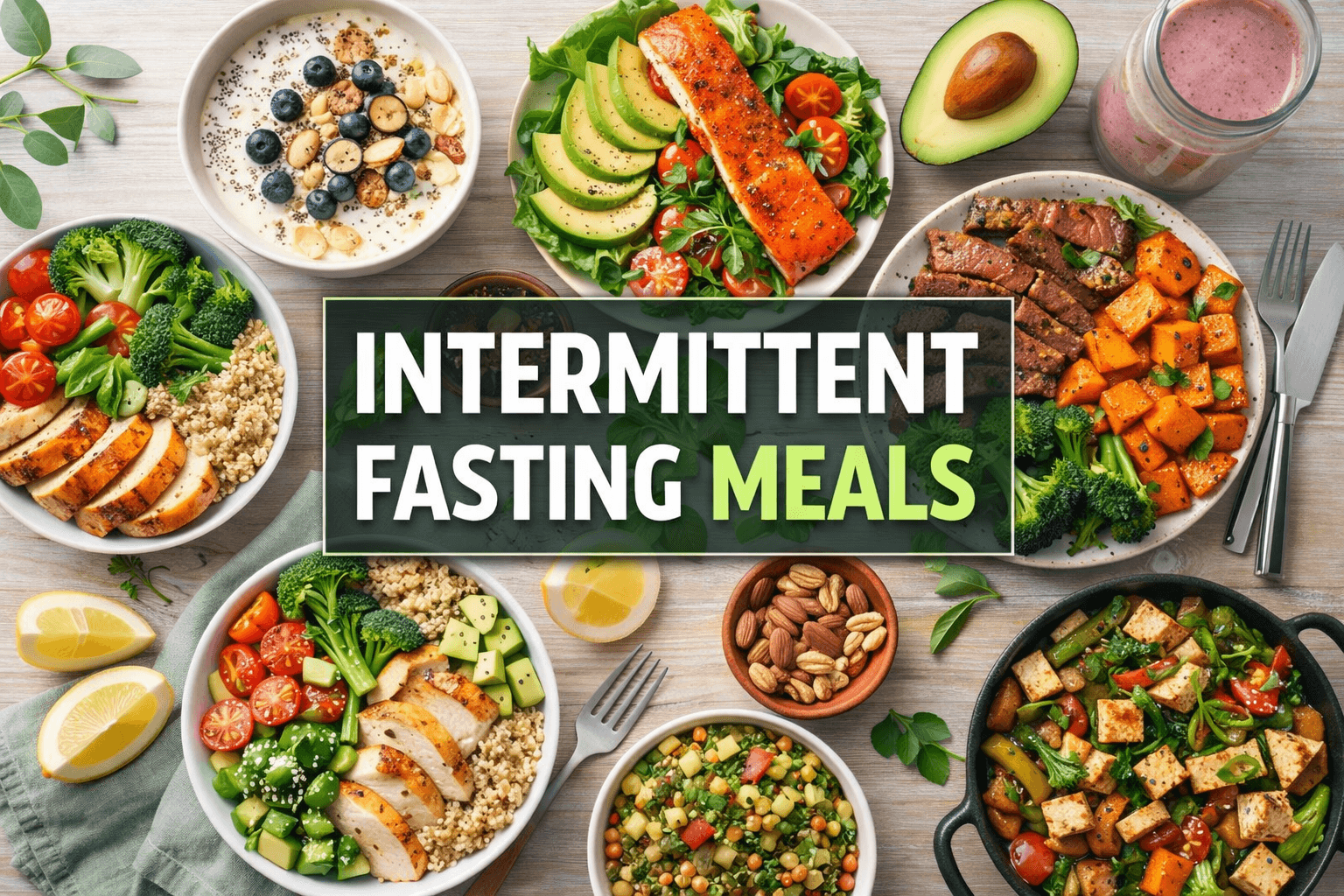
Intermittent Fasting Meals: 21 Easy Recipes for Fat Loss and Energy Boost
Intermittent fasting meals play a crucial role in maximizing the benefits of fasting. While fasting determines when you eat, your food choices determine your results. Whether you’re following the 16:8 method, 18:6 plan, or OMAD (One Meal a Day), choosing the right meals helps burn fat, preserve muscle, and maintain steady energy levels.
In this guide, you’ll discover nutrient-dense intermittent fasting meals that are easy to prepare and perfect for sustainable weight loss.
What Are Intermittent Fasting Meals?
Intermittent fasting meals are balanced, nutrient-rich meals consumed within your eating window. Since your eating time is limited, each meal must provide:
-
High-quality protein
-
Healthy fats
-
Complex carbohydrates
-
Fiber-rich vegetables
-
Essential vitamins and minerals
The goal is to stay full longer and prevent insulin spikes.
Why Meal Quality Matters in Intermittent Fasting
Fasting improves insulin sensitivity and encourages fat burning. However, breaking your fast with processed food can:
-
Spike blood sugar
-
Increase cravings
-
Slow fat loss
-
Reduce energy levels
According to Harvard Health, balanced nutrition is essential during fasting windows to avoid nutrient deficiencies (https://www.health.harvard.edu).
Best Intermittent Fasting Meals for 16:8
1. Grilled Chicken with Quinoa and Avocado
Ingredients:
-
150g grilled chicken breast
-
½ cup quinoa
-
½ avocado
-
Mixed greens
-
Olive oil
Why It Works:
High protein + healthy fats = longer satiety and muscle preservation.
2. Salmon with Roasted Vegetables
Omega-3 fatty acids help reduce inflammation and improve metabolic health.
3. Greek Yogurt Protein Bowl
Add:
-
Greek yogurt
-
Chia seeds
-
Blueberries
-
Almond butter
Perfect first meal after fasting.
High-Protein Intermittent Fasting Meals
Protein is critical to prevent muscle loss during fasting.
4. Egg and Spinach Omelette
Benefits:
-
Low carb
-
High protein
-
Rich in iron
5. Turkey Lettuce Wraps
Low calorie, high volume, excellent for fat loss.
6. Cottage Cheese and Berries
Great for late eating window meal.
OMAD Intermittent Fasting Meals
OMAD requires calorie-dense but clean meals.
7. Steak Bowl with Sweet Potato
Includes:
-
Grass-fed steak
-
Roasted sweet potato
-
Broccoli
-
Olive oil
8. Mediterranean Power Plate
-
Hummus
-
Grilled chicken
-
Olives
-
Feta cheese
-
Cucumber salad
Mediterranean diets are linked with long-term health benefits (https://www.ncbi.nlm.nih.gov).
Low-Carb Intermittent Fasting Meals
9. Zucchini Noodles with Pesto Chicken
Low carb and filling.
10. Cauliflower Fried Rice
Replace traditional rice for better blood sugar control.
Vegetarian Intermittent Fasting Meals
11. Lentil and Chickpea Salad
High fiber and plant protein.
12. Tofu Stir Fry
Excellent meat-free protein source.
Healthy Fats for Fasting Meals
Healthy fats help stabilize blood sugar.
-
Avocado
-
Olive oil
-
Nuts
-
Seeds
-
Fatty fish
Meal Prep Tips for Intermittent Fasting
Plan Your Eating Window
Most common:
-
16:8
-
18:6
-
OMAD
Prioritize Protein
Aim for:
-
0.7–1g per pound body weight
Avoid Breaking Fast with Sugar
Bad first meal examples:
-
Donuts
-
Sugary cereal
-
Soda
Sample 7-Day Intermittent Fasting Meal Plan
Day 1
Chicken + quinoa bowl
Day 2
Salmon + asparagus
Day 3
Egg omelette + avocado toast
Day 4
Turkey lettuce wraps
Day 5
Steak + sweet potato
Day 6
Tofu stir fry
Day 7
Greek yogurt protein bowl
Common Mistakes in Intermittent Fasting Meals
Overeating Junk Food
Fasting is not an excuse to binge.
Not Eating Enough Protein
Can cause muscle loss.
Ignoring Micronutrients
Include leafy greens daily.
Best Foods to Include in Intermittent Fasting Meals
Lean Proteins
Chicken, turkey, eggs, fish
Healthy Fats
Olive oil, avocado, nuts
Complex Carbs
Quinoa, sweet potatoes, brown rice
Vegetables
Spinach, broccoli, kale
Advanced Nutrition Strategies for Intermittent Fasting Meals
If you want to maximize results from intermittent fasting meals, understanding nutrient timing and macronutrient balance is essential. While fasting controls when you eat, your meal composition controls how your body responds.
Macronutrient Breakdown for Optimal Results
A well-balanced intermittent fasting meal should ideally include:
-
35–40% Protein
-
30–35% Healthy Fats
-
25–35% Complex Carbohydrates
This balance helps:
-
Preserve lean muscle mass
-
Support fat burning
-
Prevent energy crashes
-
Reduce cravings
Why Protein Is Non-Negotiable
During fasting, your body taps into stored fat for energy. However, without adequate protein intake, it may also break down muscle tissue.
Include protein sources like:
-
Eggs
-
Chicken breast
-
Salmon
-
Greek yogurt
-
Lentils
-
Tofu
Aim for at least 25–40 grams of protein per meal depending on your body weight.
How to Break Your Fast the Right Way
Breaking your fast properly is critical. Many people sabotage their progress by consuming high-sugar or ultra-processed foods.
Best Foods to Break a Fast
✔ Bone broth
✔ Greek yogurt with berries
✔ Scrambled eggs with spinach
✔ Avocado with sea salt
✔ Protein smoothie
These options gently stimulate digestion and prevent insulin spikes.
Foods to Avoid When Breaking a Fast
❌ Sugary pastries
❌ Soda or fruit juice
❌ Refined white bread
❌ Deep-fried foods
High-sugar foods can cause rapid blood sugar spikes followed by crashes, leaving you tired and hungry.
Hydration and Electrolytes During Fasting
Hydration is often overlooked but extremely important.
While fasting, you lose water and electrolytes. To maintain energy:
-
Drink 2–3 liters of water daily
-
Add a pinch of sea salt to water
-
Consume herbal teas
-
Black coffee (without sugar) is allowed
Proper hydration improves focus and reduces headaches.
Intermittent Fasting Meals for Muscle Gain
Intermittent fasting isn’t only for weight loss. Many athletes use fasting protocols to build lean muscle.
Sample Muscle-Building Fasting Meal
-
Grilled salmon
-
Brown rice
-
Steamed broccoli
-
Olive oil drizzle
-
Side of cottage cheese
This provides:
-
Complete protein
-
Complex carbohydrates for glycogen
-
Healthy fats for hormone production
Budget-Friendly Intermittent Fasting Meals
Eating healthy doesn’t have to be expensive.
Affordable Meal Ideas
-
Eggs and oatmeal
-
Rice and beans with vegetables
-
Tuna salad with whole grain bread
-
Peanut butter banana smoothie
-
Lentil soup
Buying in bulk and meal prepping saves money and time.
Intermittent Fasting for Women: Meal Considerations
Women may need slightly different nutrient strategies due to hormonal balance.
Tips for women:
-
Avoid extremely low-calorie OMAD long term
-
Prioritize iron-rich foods (spinach, red meat, lentils)
-
Include healthy fats for hormonal health
-
Do not skip protein
Balanced intermittent fasting meals support metabolic and hormonal health.
Gut Health and Intermittent Fasting Meals
A healthy gut improves nutrient absorption and overall wellness.
Add these to your meals:
-
Fermented foods (kimchi, yogurt, kefir)
-
High-fiber vegetables
-
Prebiotic foods (onions, garlic, asparagus)
Gut-friendly meals improve digestion and reduce bloating.
Snack Options Within Eating Window
If your eating window allows two meals and a snack, choose nutrient-dense options.
Healthy snack ideas:
-
Almonds and walnuts
-
Hard-boiled eggs
-
Apple with peanut butter
-
Protein smoothie
-
Cottage cheese with berries
Avoid empty-calorie snacks.
Intermittent Fasting Meal Prep Strategy
Meal prep makes fasting easier and prevents poor decisions.
Weekly Preparation Plan
-
Cook protein in bulk (chicken, turkey, tofu)
-
Prepare grains (quinoa, rice)
-
Wash and chop vegetables
-
Portion into containers
This ensures healthy intermittent fasting meals are ready when your eating window begins.
Timing Your Carbohydrates
Carbohydrates are not the enemy — timing matters.
For fat loss:
-
Keep carbs moderate
-
Pair carbs with protein and fiber
For active individuals:
-
Include carbs post-workout
-
Choose whole grains and starchy vegetables
Supplements That Support Intermittent Fasting
While whole foods come first, some supplements may help:
-
Whey or plant protein powder
-
Electrolytes
-
Omega-3 fish oil
-
Magnesium
Always consult a healthcare professional before supplementation.
Frequently Asked Questions About Intermittent Fasting Meals
Can I eat carbs during intermittent fasting?
Yes. Focus on complex carbs like quinoa, brown rice, and sweet potatoes.
How many calories should I eat?
This depends on your goal:
-
Weight loss: slight calorie deficit
-
Maintenance: maintenance calories
-
Muscle gain: small surplus
Is coffee allowed?
Yes, black coffee without sugar or cream is allowed during fasting.
Long-Term Sustainability of Intermittent Fasting
The best diet is one you can maintain long term.
To stay consistent:
-
Avoid extreme calorie restriction
-
Eat balanced meals
-
Prioritize sleep
-
Manage stress
Sustainable intermittent fasting meals create lasting results.
Final Expert Tips for Better Results
✔ Keep meals simple
✔ Focus on whole foods
✔ Avoid ultra-processed products
✔ Track your protein intake
✔ Stay hydrated
✔ Exercise regularly
When combined with smart nutrition, intermittent fasting becomes a powerful lifestyle tool.
Final Thoughts
Choosing the right intermittent fasting meals determines your success. Focus on whole foods, high protein, fiber-rich vegetables, and healthy fats to maximize fat loss and maintain energy.
When done correctly, intermittent fasting can be sustainable, effective, and life-changing.
Stay Connected Kick Promoted.com
