
Table of Contents
-
Introduction to Kurt Cobain
-
Early Life and Childhood
-
Formation of Nirvana
-
Kurt Cobain and the Grunge Movement
-
Lyrics, Artistry, and Musical Style
-
Personal Struggles and Mental Health
-
Death and Global Reaction
-
Kurt Cobain’s Cultural Legacy
-
Influence on Modern Music
-
Conclusion
Kurt Cobain was an American musician, songwriter, and the lead singer of the legendary band Nirvana. Kurt Cobain became the defining voice of the grunge movement in the early 1990s, influencing millions with his raw lyrics, emotional honesty, and anti-establishment spirit.
Introduction to Kurt Cobain
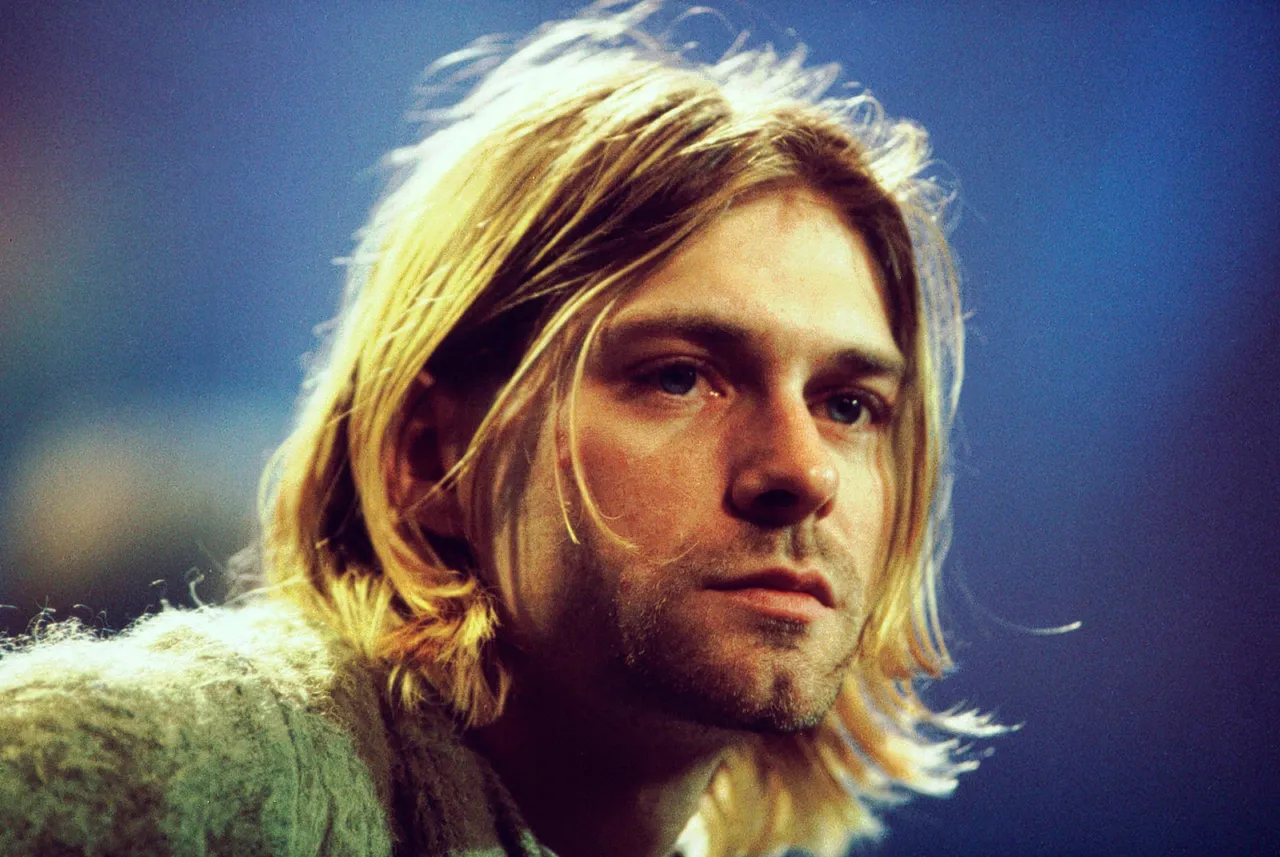
Kurt Cobain remains one of the most influential and discussed musicians in modern history. As the lead singer, guitarist, and primary songwriter of Nirvana, Kurt Cobain transformed alternative rock into a global movement during the early 1990s. His raw honesty, emotional lyrics, and rejection of fame resonated deeply with millions around the world.
Even decades after his death, Kurt Cobain continues to trend across search engines, social media, and music platforms, proving that his legacy is timeless.
Alt-text: Kurt Cobain performing live on stage with Nirvana
Early Life and Childhood of Kurt Cobain
Kurt Donald Cobain was born on February 20, 1967, in Aberdeen, Washington, USA. His early childhood was marked by creativity, but also emotional instability following his parents’ divorce. This event deeply affected Kurt Cobain and became a recurring emotional theme in his music.
From a young age, Kurt Cobain showed an interest in art, drawing, and music. He admired bands like The Beatles, Led Zeppelin, and punk rock groups, which later shaped his musical direction.
H3: A Troubled Youth
-
Struggled with feelings of isolation
-
Experienced bullying and instability
-
Found comfort in music and writing
Formation of Nirvana
In the late 1980s, Kurt Cobain formed Nirvana with bassist Krist Novoselic. After several drummer changes, Dave Grohl joined the band, completing the iconic lineup.
Their second album, “Nevermind” (1991), catapulted Nirvana to international fame. The lead single Smells Like Teen Spirit became an anthem for disaffected youth and solidified Kurt Cobain as a reluctant rock star.
H3: Breakthrough Success
-
Album: Nevermind
-
Global sales: 30+ million copies
-
Changed the mainstream music industry
Kurt Cobain and the Grunge Movement
Kurt Cobain became the face of the grunge movement, a genre defined by distorted guitars, introspective lyrics, and anti-establishment attitudes. Originating in Seattle, grunge rejected polished glam rock and embraced authenticity.
Cobain’s refusal to conform made him a symbol of rebellion and honesty. His style, music, and public statements shaped youth culture across the globe.
H4: What Made Grunge Different?
-
Raw, unfiltered sound
-
Emotional vulnerability
-
Anti-commercial mindset
Lyrics, Artistry, and Musical Style
Kurt Cobain’s songwriting was deeply personal, often addressing themes of alienation, pain, love, and identity. His lyrics were intentionally ambiguous, allowing listeners to find their own meaning.
Musically, Kurt Cobain blended punk aggression with melodic hooks, creating a sound that was both chaotic and accessible.
Alt-text: Kurt Cobain playing guitar during a Nirvana concert
Personal Struggles and Mental Health
Despite massive success, Kurt Cobain struggled with depression, chronic pain, and substance abuse. He often spoke about his discomfort with fame and media attention.
Cobain’s openness about mental health made him relatable to fans but also highlighted the pressures faced by artists in the spotlight.
H3: Addiction and Isolation
-
Heroin addiction
-
Chronic stomach pain
-
Media pressure and fame anxiety
Death and Global Reaction
On April 5, 1994, Kurt Cobain died at the age of 27 in Seattle. His death shocked the world and placed him among the infamous “27 Club” of musicians who died young.
Fans across the globe mourned his loss, holding vigils and memorials. His death sparked ongoing discussions about mental health awareness and artist support systems.
Kurt Cobain’s Cultural Legacy
Decades later, Kurt Cobain remains a powerful cultural figure. His music continues to influence fashion, art, and social movements. Nirvana songs are streamed by new generations discovering his work for the first time.
Cobain’s authenticity and refusal to compromise artistic integrity remain central to his legacy.
Influence on Modern Music
Artists across genres cite Kurt Cobain as an influence, from alternative rock bands to pop and hip-hop musicians. His impact can be heard in:
-
Songwriting honesty
-
DIY music culture
-
Anti-industry attitudes
Many modern artists credit Cobain for making vulnerability acceptable in mainstream music.
Conclusion
Kurt Cobain was not just a musician — he was a voice for those who felt unheard. His music, struggles, and philosophy continue to resonate because they were real, imperfect, and deeply human.
As trends continue to resurface his name across platforms like Google Trends and Spotify, one truth remains clear: Kurt Cobain’s influence on music and culture will never fade.
