
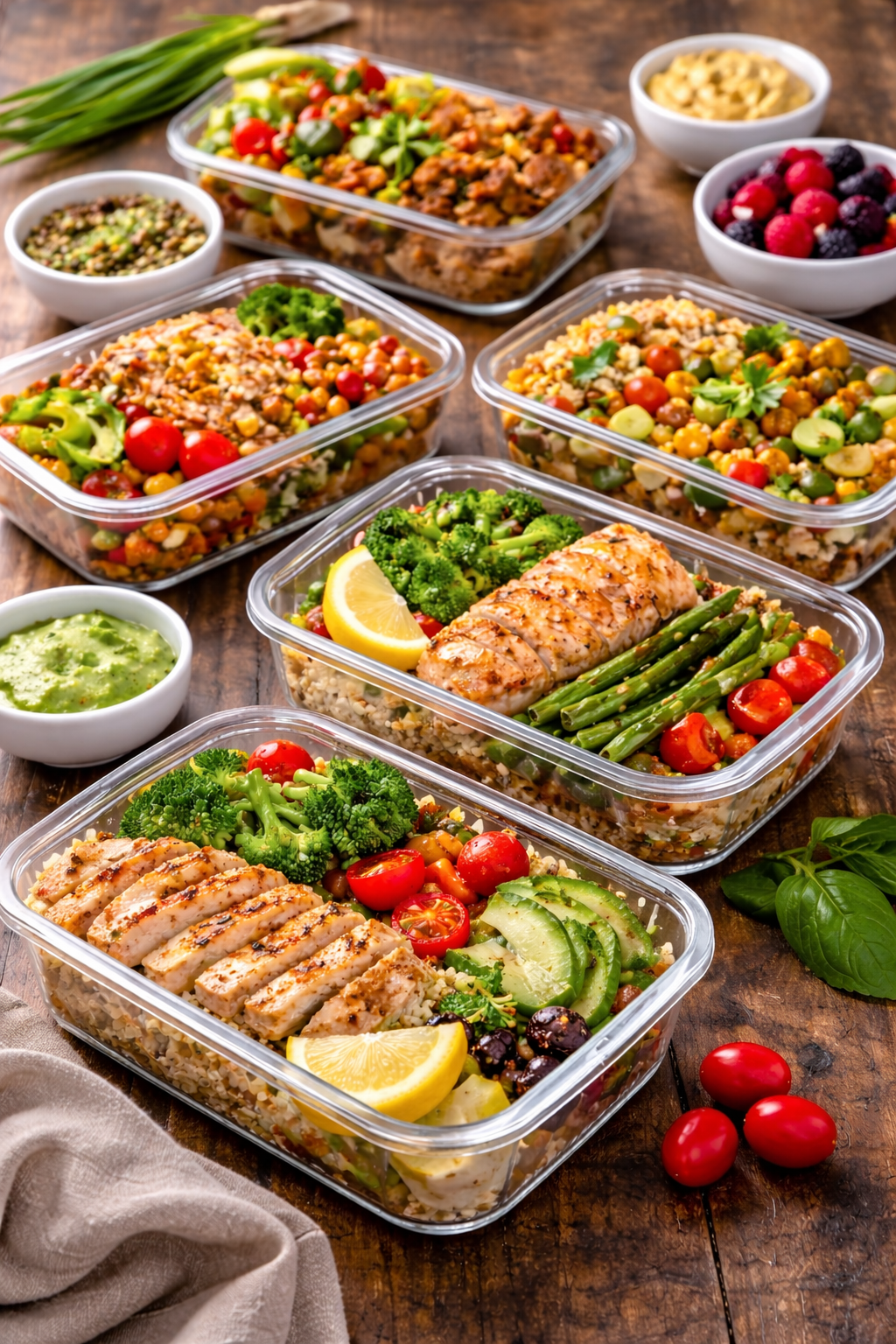
Low Calorie Meal Prep Recipes: 15 Easy Ideas for Healthy Weight Loss
Why Low Calorie Meal Prep Recipes Help With Weight Loss
If you’re searching for practical and sustainable low calorie meal prep recipes, planning ahead is one of the most effective strategies for healthy weight management. Preparing meals in advance helps control portion sizes, reduce impulsive eating, and eliminate last-minute fast food decisions.
Low calorie meal prep recipes focus on nutrient-dense foods that provide protein, fiber, and healthy fats while keeping overall calorie intake moderate. According to the Centers for Disease Control and Prevention (CDC), maintaining a balanced diet and monitoring calorie intake are key factors in achieving and sustaining weight loss:
https://www.cdc.gov/healthyweight/index.html
By organizing your meals for the week, you stay consistent and reduce dietary stress.
What Makes Low Calorie Meal Prep Recipes Effective?
The best low calorie meal prep recipes include:
-
Lean protein for satiety
-
High-fiber vegetables
-
Whole grains in controlled portions
-
Minimal added sugars
-
Healthy fats in moderation
This combination helps maintain fullness while keeping calories manageable.
15 Low Calorie Meal Prep Recipes
1. Grilled Chicken with Steamed Broccoli and Brown Rice
High protein and balanced.
2. Baked Salmon with Asparagus
Rich in omega-3 and low in calories.
3. Turkey Lettuce Wraps
Low carb and refreshing.
4. Shrimp and Zucchini Stir Fry
Light and flavorful.
5. Quinoa and Chickpea Salad
Plant-based and filling.
6. Egg White Veggie Muffins
Perfect for grab-and-go lunches.
7. Greek Yogurt Chicken Salad
Lower calorie alternative to traditional versions.
8. Lentil and Vegetable Soup
High fiber and satisfying.
9. Cauliflower Fried Rice
Low calorie swap for traditional rice.
10. Tofu and Mixed Vegetable Bowl
Vegetarian and protein-rich.
11. Spinach and Grilled Chicken Salad
Simple and nutrient-dense.
12. Tuna and Cucumber Salad
Light yet filling.
13. Sweet Potato and Black Bean Bowl
Balanced plant-based option.
14. Lean Beef and Green Bean Stir Fry
Portion-controlled protein.
15. Cottage Cheese Protein Box
High protein and low calorie snack-style meal.
How to Build Balanced Low Calorie Meal Prep Recipes
To create satisfying low calorie meal prep recipes, follow this simple plate structure:
-
½ plate vegetables
-
¼ plate lean protein
-
¼ plate whole grains or complex carbs
The USDA MyPlate guidelines encourage balanced portions to support healthy eating patterns:
https://www.myplate.gov
This structure helps manage calories without sacrificing nutrition.
Portion Control and Calorie Awareness
One of the biggest benefits of low calorie meal prep recipes is portion awareness. Using food containers of equal size ensures consistency. Measuring ingredients during preparation reduces accidental overeating.
Harvard Health Publishing explains that home cooking is linked to improved diet quality and lower calorie intake:
https://www.health.harvard.edu/blog/home-cooking-good-health-2018011513145
Meal prepping gives you full control over ingredients and portion sizes.
Tips for Successful Low Calorie Meal Prep Recipes
-
Cook proteins in bulk
-
Roast vegetables on sheet pans
-
Use herbs and spices instead of heavy sauces
-
Store sauces separately
-
Rotate ingredients weekly to avoid boredom
Small adjustments make meal prep sustainable long-term.
Benefits of Low Calorie Meal Prep Recipes Beyond Weight Loss
Low calorie meal prep recipes don’t just support weight loss. They also:
-
Improve energy levels
-
Reduce food waste
-
Save money
-
Encourage mindful eating
-
Support heart health
The American Heart Association emphasizes the importance of balanced meals rich in vegetables and lean proteins:
https://www.heart.org/en/healthy-living/healthy-eating
Meal prepping makes it easier to follow these recommendations.
Storage and Food Safety
Store low calorie meal prep recipes in airtight containers in the refrigerator for up to 4 days. Freeze meals like soups and cooked proteins for longer storage.
For safe food handling practices, review USDA guidelines:
https://www.fsis.usda.gov/food-safety
Proper storage ensures both safety and freshness.
FAQs About Low Calorie Meal Prep Recipes
How many calories should a meal prep lunch have?
Typically between 350–500 calories depending on your goals.
Can I freeze low calorie meal prep recipes?
Yes, especially soups, lean proteins, and grain bowls.
Are low calorie meals filling?
Yes, when they include adequate protein and fiber.
The Complete Guide to Low Calorie Meal Prep Recipes for Sustainable Weight Loss
When it comes to maintaining a healthy weight and balanced lifestyle, consistency matters more than perfection. That’s where low calorie meal prep recipes become incredibly powerful. Preparing meals ahead of time removes guesswork, reduces impulsive eating, and helps you stay within your calorie goals without feeling restricted.
Many people struggle with weight management because of convenience foods and oversized restaurant portions. By preparing low calorie meal prep recipes at home, you control ingredients, cooking methods, and portion sizes.
According to the Centers for Disease Control and Prevention (CDC), creating a calorie deficit through balanced nutrition and physical activity is key for healthy weight loss:
https://www.cdc.gov/healthyweight/losing_weight/index.html
Meal prepping makes that deficit easier to maintain consistently.
Why Low Calorie Meal Prep Recipes Work
The success of low calorie meal prep recipes lies in planning and structure. Instead of relying on willpower during busy workdays, your meals are already prepared and portioned correctly.
Benefits include:
-
Better calorie control
-
Reduced food waste
-
Less decision fatigue
-
Improved dietary consistency
-
More balanced nutrition
Harvard Health Publishing highlights that home-cooked meals are associated with improved diet quality and better overall health outcomes:
https://www.health.harvard.edu/blog/home-cooking-good-health-2018011513145
Meal prep supports healthier food choices by design.
The Science Behind Low Calorie Eating
Low calorie meal prep recipes focus on nutrient density — foods that provide maximum nutrients with moderate calories.
Nutrient-dense foods include:
-
Leafy greens
-
Lean proteins
-
Whole grains
-
Legumes
-
Fruits
-
Non-starchy vegetables
The USDA MyPlate model recommends filling half your plate with fruits and vegetables for optimal health:
https://www.myplate.gov
By emphasizing these foods in low calorie meal prep recipes, you naturally reduce calorie intake without sacrificing nutrition.
How to Structure Balanced Low Calorie Meal Prep Recipes
To ensure your meals are filling and balanced, include these components:
1. Lean Protein (20–30g per meal)
Protein supports muscle maintenance and increases satiety. Good options include:
-
Chicken breast
-
Turkey
-
Fish
-
Tofu
-
Lentils
-
Egg whites
-
Greek yogurt
The National Institutes of Health explains that protein is essential for cell repair and immune function:
https://ods.od.nih.gov/factsheets/Protein-Consumer/
2. Fiber-Rich Vegetables
Vegetables add volume and micronutrients without excessive calories.
Examples:
-
Broccoli
-
Spinach
-
Bell peppers
-
Zucchini
-
Green beans
-
Cauliflower
3. Controlled Portions of Whole Grains
Complex carbohydrates provide energy while supporting digestion.
Choose:
-
Brown rice
-
Quinoa
-
Farro
-
Sweet potatoes
Whole grains are linked to improved heart health and digestion.
4. Healthy Fats in Moderation
Include small amounts of:
-
Olive oil
-
Avocado
-
Nuts
-
Seeds
Healthy fats improve nutrient absorption and support hormonal balance.
Sample Weekly Low Calorie Meal Prep Plan
Here’s an example weekly structure using low calorie meal prep recipes:
Monday
Grilled chicken, brown rice, roasted broccoli.
Tuesday
Baked salmon, asparagus, small serving quinoa.
Wednesday
Turkey lettuce wraps with side salad.
Thursday
Shrimp stir fry with zucchini noodles.
Friday
Lentil vegetable soup and side spinach salad.
Each meal remains between 400–500 calories while maintaining balance.
Low Calorie Meal Prep Recipes for Busy Professionals
Busy schedules often lead to skipped meals or unhealthy takeout. Low calorie meal prep recipes remove this barrier.
Tips for professionals:
-
Prepare meals Sunday evening
-
Store in portioned containers
-
Keep healthy snacks available
-
Pack meals the night before work
Preparing meals in advance reduces reliance on high-calorie convenience foods.
High Protein Low Calorie Meal Prep Recipes
For individuals aiming to maintain muscle mass while losing weight, high-protein low calorie meal prep recipes are ideal.
Examples include:
-
Chicken and roasted vegetables
-
Egg white breakfast bowls
-
Greek yogurt parfaits
-
Tofu and veggie stir fry
-
Turkey meatballs with cauliflower rice
Higher protein intake can help preserve lean muscle during weight loss, according to research published by the National Library of Medicine:
https://www.ncbi.nlm.nih.gov/pmc/articles/PMC4258944/
Low Calorie Vegetarian Meal Prep Recipes
Plant-based low calorie meal prep recipes are also highly effective.
Try:
-
Chickpea and cucumber salad
-
Lentil stew
-
Tofu vegetable bowls
-
Quinoa and black bean salad
-
Spinach and mushroom egg white muffins
Vegetarian meals tend to be naturally high in fiber and antioxidants.
How to Avoid Common Mistakes
Even low calorie meal prep recipes can fail if not planned properly.
Avoid:
-
Overusing sauces high in hidden sugars
-
Skipping protein
-
Choosing refined carbs
-
Underestimating portion sizes
-
Preparing too much variety without planning
Measuring ingredients during preparation improves accuracy.
Food Safety for Low Calorie Meal Prep Recipes
Food safety is essential when prepping meals for multiple days.
The USDA Food Safety and Inspection Service recommends:
-
Refrigerating food within two hours
-
Keeping refrigerator temperature at 40°F or below
-
Consuming prepared meals within 3–4 days
Learn more about safe food handling here:
https://www.fsis.usda.gov/food-safety
Proper storage ensures freshness and safety.
How Low Calorie Meal Prep Recipes Improve Energy Levels
Balanced meals prevent blood sugar crashes that lead to fatigue. Including protein, fiber, and complex carbs supports sustained energy.
Harvard Health explains that stable blood sugar levels are essential for cognitive function and focus:
https://www.health.harvard.edu/blog/foods-that-fight-fatigue-2017071412103
Low calorie meal prep recipes help regulate energy throughout the workday.
Financial Benefits of Low Calorie Meal Prep Recipes
Meal prepping isn’t just healthy — it saves money.
Benefits include:
-
Fewer restaurant visits
-
Reduced food waste
-
Bulk ingredient savings
-
Controlled grocery spending
Planning meals reduces impulse purchases.
Long-Term Health Benefits
Consistently preparing low calorie meal prep recipes may contribute to:
-
Improved cholesterol levels
-
Better blood pressure control
-
Reduced risk of heart disease
-
Improved digestive health
-
Sustainable weight maintenance
The American Heart Association supports balanced eating patterns rich in vegetables, lean proteins, and whole grains:
https://www.heart.org/en/healthy-living/healthy-eating
Low calorie meal prep recipes align closely with these recommendations.
Frequently Asked Questions
How many calories should my meal prep lunch contain?
Most adults benefit from 350–500 calories per lunch depending on goals.
Can I freeze low calorie meal prep recipes?
Yes, especially soups, lean proteins, and cooked grains.
Are low calorie meals filling?
Yes, when protein and fiber are included.
How long do meal prepped lunches last?
Typically 3–4 days in the refrigerator.
Final Thoughts on Low Calorie Meal Prep Recipes
Low calorie meal prep recipes are not about restriction — they are about intention and balance. By combining lean protein, fiber-rich vegetables, controlled portions of whole grains, and healthy fats, you create meals that fuel your body while supporting weight goals.
Meal prepping empowers you to stay consistent, reduce stress around food decisions, and improve overall nutrition quality. With proper planning and smart ingredient choices, low calorie meal prep recipes become a sustainable habit rather than a temporary diet strategy.
The key to success lies in preparation, portion awareness, and variety. When done correctly, meal prep transforms healthy eating into an efficient and achievable routine.
Conclusion
These low calorie meal prep recipes make healthy eating simple, structured, and sustainable. By focusing on balanced portions, lean proteins, and fiber-rich vegetables, you can stay consistent with your nutrition goals all week long.
For more healthy recipes and meal prep ideas, visit:
https://kickpromoted.com
