
Table of Contents
Introduction: Pakistan vs USA Trend
The Pakistan vs USA Trend refers to the ongoing evolution of political, economic, and cultural interactions between Pakistan and the United States. As two strategically important nations, their relationship influences regional stability, trade opportunities, and global diplomacy.
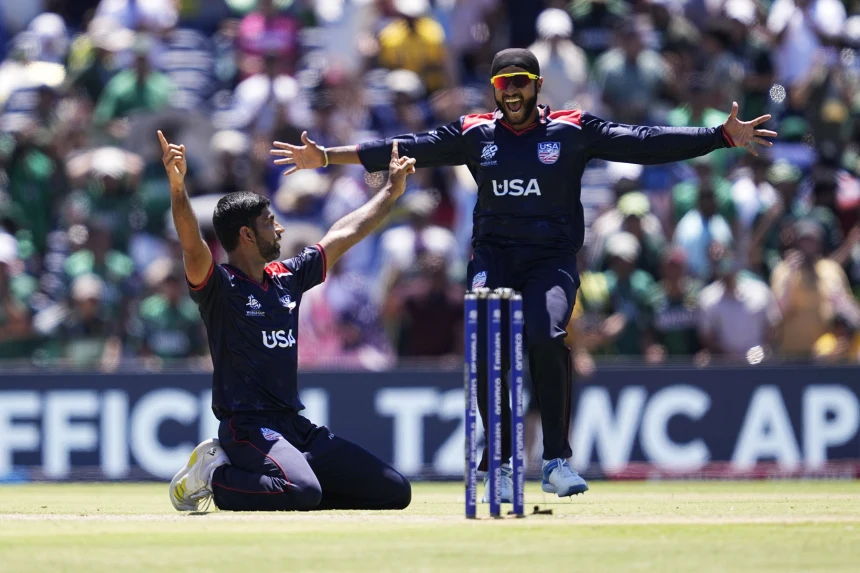
Alt-text: Pakistan vs USA Trend showcasing diplomatic and economic relations
From security cooperation to trade agreements, the trend reflects both challenges and opportunities. Analysts increasingly study this dynamic to understand how global politics, domestic priorities, and cultural exchanges shape bilateral relations.
For official updates on U.S. foreign relations with Pakistan, visit the U.S. Department of State.
Historical Context of Pakistan-USA Relations
The Pakistan vs USA Trend is deeply rooted in history, with ties dating back to Pakistan’s independence in 1947. Over the decades, their relationship has experienced:
-
Cold War Era: Pakistan emerged as a strategic ally for the U.S. against Soviet influence.
-
Post-9/11 Era: Cooperation in counterterrorism and regional security increased.
-
Economic Partnerships: Trade agreements and aid programs developed alongside security collaboration.
This historical context explains the cyclical nature of cooperation and tension in the Pakistan-USA relationship.
Economic and Trade Trends
Trade and economic collaboration are core aspects of the Pakistan vs USA Trend.
Key Trade Insights
-
Exports: Pakistan exports textiles, apparel, and agricultural products to the USA.
-
Imports: The U.S. supplies machinery, technology, and defense equipment to Pakistan.
-
Investment Trends: U.S. companies invest in energy, IT, and infrastructure projects in Pakistan.
For detailed trade statistics, check World Bank Trade Data.
Recent Developments
-
Enhanced focus on renewable energy and technology investments
-
Bilateral trade dialogues emphasizing sustainable growth
-
Expansion of trade corridors under regional economic frameworks
Security and Military Cooperation
Security remains a cornerstone of the Pakistan vs USA Trend.
Collaboration Areas
-
Counterterrorism: Joint operations and intelligence sharing
-
Military Training: Exchange programs and exercises
-
Defense Procurement: U.S. military equipment supply to Pakistan
Challenges
-
Shifts in regional alliances
-
Political tensions affecting security agreements
-
Public scrutiny of foreign military aid
For more information, visit U.S. Department of Defense – Pakistan Cooperation.
Cultural and Educational Exchanges
The Pakistan vs USA Trend is not limited to politics; cultural and educational interactions are growing rapidly:
-
Student Exchange Programs: Scholarships and university collaborations
-
Cultural Events: Festivals, exhibitions, and media collaborations
-
Digital Diplomacy: Social media campaigns and online cultural initiatives
These exchanges foster mutual understanding, enhance soft power, and strengthen bilateral ties beyond formal diplomacy.
Key Political Developments
Political developments shape the Pakistan vs USA Trend significantly:
-
High-level visits and diplomatic dialogues
-
Agreements on trade, defense, and environmental initiatives
-
Impact of regional issues, including Afghanistan and India-Pakistan relations
For latest updates, see Council on Foreign Relations – Pakistan.
Public Perception and Media Influence
Media coverage and public opinion play a critical role in shaping the Pakistan vs USA Trend:
-
Social Media: Platforms amplify discussions on bilateral policies
-
News Outlets: Reporting on trade, security, and political visits
-
Public Opinion: Influences policymakers and diplomatic strategies
These factors contribute to shaping narratives around cooperation, conflict, and partnership.
Future Outlook for Pakistan vs USA Trend
Looking ahead, the Pakistan vs USA Trend will likely focus on:
-
Economic Collaboration: Expansion of trade, technology, and investment projects
-
Security Cooperation: Continued counterterrorism efforts and regional stability
-
Cultural Diplomacy: Strengthening educational and cultural exchanges
-
Climate & Energy Initiatives: Collaborative efforts in renewable energy and climate resilience
The trend suggests a multi-dimensional relationship, balancing geopolitical strategy with economic and cultural priorities.
Conclusion
The Pakistan vs USA Trend highlights a complex but strategically important partnership. From diplomatic maneuvers to trade agreements and cultural exchanges, the relationship continues to evolve. Understanding this trend is essential for policymakers, business leaders, and citizens interested in global affairs.
For official resources and updates on U.S.-Pakistan relations, visit U.S. Department of State.
