
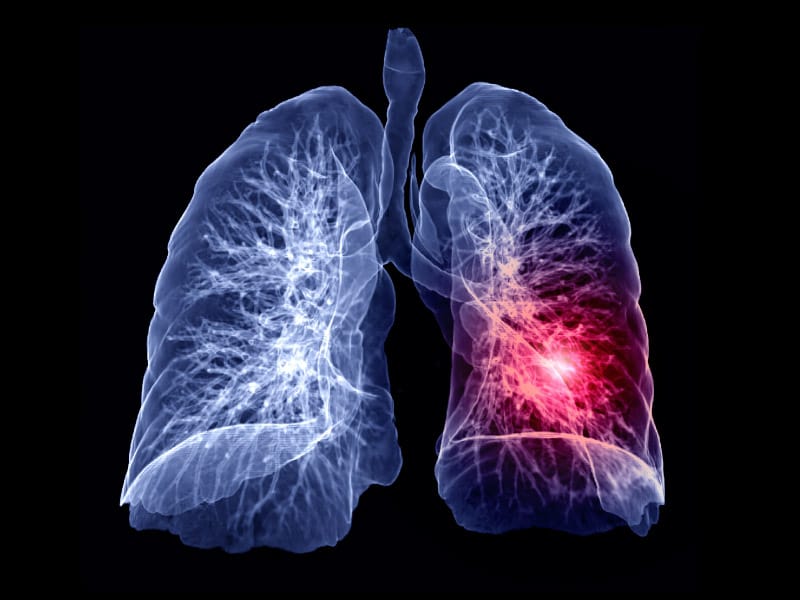
Pulmonary Embolism: Causes, Symptoms, Diagnosis, and Life-Saving Treatment Options
Introduction
Pulmonary embolism is a serious and potentially life-threatening medical condition that occurs when a blood clot blocks one or more arteries in the lungs. Most cases of pulmonary embolism originate from clots that form in the deep veins of the legs, a condition known as deep vein thrombosis (DVT). When these clots travel to the lungs, they disrupt blood flow and oxygen exchange, placing immense strain on the heart and lungs.
Pulmonary embolism can develop suddenly and may be fatal if not treated promptly. While some cases are mild, others can cause severe complications or death. Understanding pulmonary embolism, recognizing early warning signs, and seeking immediate medical attention are critical for survival and recovery.
What Is Pulmonary Embolism?
Understanding the Condition
A pulmonary embolism (PE) occurs when a clot—usually made of blood—travels through the bloodstream and becomes lodged in a pulmonary artery. This blockage prevents oxygenated blood from reaching lung tissue and the rest of the body.
How Pulmonary Embolism Develops
Most pulmonary embolisms result from:
-
Blood clots forming in the legs (DVT)
-
Clots breaking loose and traveling to the lungs
-
Blockage of lung arteries
Less commonly, PE can be caused by:
-
Fat droplets
-
Air bubbles
-
Tumor fragments
Causes and Risk Factors of Pulmonary Embolism
Primary Causes
-
Deep vein thrombosis (DVT)
-
Prolonged immobility (bed rest, long flights)
-
Recent surgery or trauma
-
Cancer and chemotherapy
-
Hormone therapy or oral contraceptives
Risk Factors
Medical Risk Factors
-
Heart disease
-
Obesity
-
Genetic clotting disorders
-
Pregnancy and postpartum period
Lifestyle Risk Factors
-
Smoking
-
Sedentary lifestyle
-
Dehydration
Symptoms of Pulmonary Embolism
Common Symptoms
Pulmonary embolism symptoms can vary in severity and may appear suddenly:
-
Sudden shortness of breath
-
Chest pain that worsens with breathing
-
Rapid heartbeat
-
Unexplained coughing
-
Anxiety or lightheadedness
Severe or Life-Threatening Symptoms
-
Fainting or collapse
-
Blue lips or fingertips
-
Severe chest pain
-
Low blood pressure
⚠️ Pulmonary embolism is a medical emergency. Call emergency services immediately if these symptoms appear.
Diagnosis of Pulmonary Embolism
Initial Evaluation
Doctors assess:
-
Medical history
-
Symptoms
-
Vital signs
-
Oxygen levels
Diagnostic Tests
Imaging Tests
-
CT Pulmonary Angiography (CTPA) – gold standard
-
Ventilation-perfusion (V/Q) scan
-
Chest X-ray (to rule out other causes)
Blood Tests
-
D-dimer test
-
Arterial blood gases
Additional Tests
-
Ultrasound of legs (for DVT)
-
Echocardiogram to assess heart strain
Treatment Options for Pulmonary Embolism
Immediate Medical Treatment
The primary goal of pulmonary embolism treatment is to prevent further clotting and restore blood flow.
Anticoagulant Medications
-
Heparin
-
Warfarin
-
Direct oral anticoagulants (DOACs)
These medications reduce the blood’s ability to clot.
Advanced Treatments
Thrombolytic Therapy
-
Clot-dissolving drugs
-
Used in severe or life-threatening PE
Surgical Interventions
-
Catheter-directed clot removal
-
Pulmonary embolectomy in critical cases
Recovery and Long-Term Outlook
Healing After Pulmonary Embolism
Recovery depends on:
-
Size of the clot
-
Speed of diagnosis
-
Overall health
Many patients recover fully with proper treatment.
Long-Term Complications
Possible complications include:
-
Chronic thromboembolic pulmonary hypertension (CTEPH)
-
Recurrence of pulmonary embolism
-
Reduced lung function
Prevention of Pulmonary Embolism
Medical Prevention Strategies
-
Blood thinners for high-risk patients
-
Compression stockings
-
Early movement after surgery
Lifestyle Prevention Tips
-
Stay active
-
Maintain healthy weight
-
Quit smoking
-
Stay hydrated
-
Avoid prolonged sitting
Pulmonary Embolism and Deep Vein Thrombosis Connection
Why DVT Matters
Up to 90% of pulmonary embolism cases begin as DVT. Recognizing early DVT signs such as leg swelling, pain, and redness can prevent pulmonary embolism.
Learn more:
-
CDC – Blood Clots
https://www.cdc.gov/ncbddd/dvt/index.html -
Mayo Clinic – Pulmonary Embolism
https://www.mayoclinic.org/diseases-conditions/pulmonary-embolism
When to Seek Emergency Care
Seek immediate help if you experience:
-
Sudden breathing difficulty
-
Chest pain
-
Rapid heart rate
-
Loss of consciousness
Early treatment saves lives.
Pulmonary embolism is a serious and potentially fatal condition caused by blood clots in the lungs. Learn symptoms, causes, diagnosis, treatment, and prevention.
https://www.cdc.gov/ncbddd/dvt/pe.html
https://www.mayoclinic.org/diseases-conditions/pulmonary-embolism
https://medlineplus.gov/pulmonaryembolism.html
Final Thoughts
Pulmonary embolism is a serious but treatable condition when diagnosed early. Awareness of symptoms, risk factors, and prevention strategies can significantly reduce complications and mortality. Advances in medical imaging and anticoagulant therapies have improved survival rates, making prompt care more effective than ever.
If you or someone you love is at risk, speak with a healthcare professional about preventive strategies. Understanding pulmonary embolism is the first step toward protection and recovery.
Medical Disclaimer
This content is for educational purposes only and does not replace professional medical advice. Always consult a qualified healthcare provider for diagnosis and treatment.
