
Easy Homemade Pizza Dough Recipe (5 Ingredients, 7 Foolproof Steps)
Ingredients
Method
- In a bowl combine warm water, sugar, and yeast. Let it sit for 5–10 minutes until foamy.
- Add flour, salt, and olive oil to the yeast mixture and mix until dough forms.
- Transfer dough to a floured surface and knead for 8–10 minutes until smooth.
- Place dough in an oiled bowl, cover, and let rise for 45–60 minutes.
- Punch down the dough and divide into portions.
- Stretch dough into pizza crust shape.
- Add toppings and bake at 475°F for 12–15 minutes.
Notes
Easy Homemade Pizza Dough Recipe
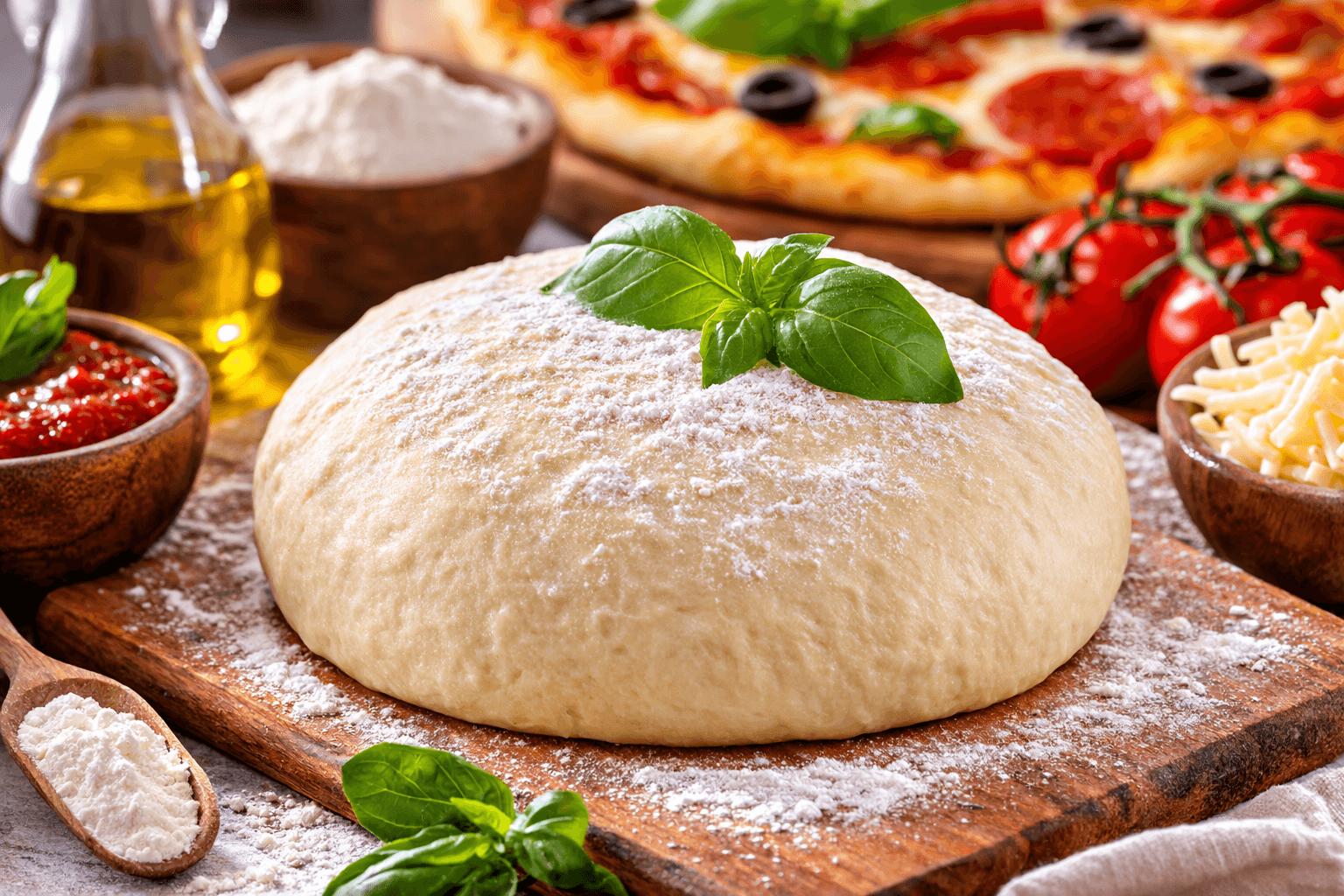
Making pizza at home is easier than many people think. This easy homemade pizza dough recipe requires only a few basic ingredients and produces a delicious, soft, and chewy crust that tastes better than most store-bought pizza dough.
Homemade pizza dough allows you to control the ingredients and customize the texture of your crust. Whether you enjoy thin crust, classic Italian pizza, or a thicker crust, this simple recipe works perfectly.
With only five ingredients and simple steps, you can prepare pizza dough from scratch that is perfect for pizza night with family and friends.
Why You’ll Love This Easy Homemade Pizza Dough Recipe
This recipe is popular because it is simple and reliable.
Pro Cooking Tips
- Choose quality ingredients because simple recipes depend heavily on flavor.
- Follow the cooking order carefully so textures turn out right.
- Use the correct pan size to avoid overcrowding.
- Serve immediately if the recipe is best enjoyed warm and fresh.
• Uses only 5 basic ingredients
• Ready in about 1 hour
• Soft and chewy texture
• Perfect for homemade pizza
• Beginner-friendly recipe
Once you learn this homemade pizza dough recipe, you will never need store-bought dough again.
Ingredients
To make this easy pizza dough recipe, you will need:
-
3 cups all-purpose flour
My Experience Making This Recipe
After making this recipe a few times, I found that the overall result improves when you pay attention to small details like ingredient freshness and cooking order.
This is the kind of recipe that becomes easier and more enjoyable each time you make it, especially once you understand how the flavors come together.
-
1 cup warm water
-
2 ¼ teaspoons active dry yeast (1 packet)
-
1 teaspoon sugar
-
1 teaspoon salt
Reader Tip / Cooking Advice
A helpful approach is to focus on texture as much as flavor. Watching how the ingredients look and feel during cooking can help you get a better final result.
-
2 tablespoons olive oil
These ingredients create the perfect balance for soft and elastic pizza dough.
How to Make Easy Homemade Pizza Dough
Follow these simple steps to make pizza dough from scratch.
Step 1: Activate the Yeast
In a bowl, combine warm water, sugar, and yeast.
Let the mixture sit for 5–10 minutes until it becomes foamy.
This step activates the yeast and helps the dough rise.
Step 2: Mix the Dough
Add flour, salt, and olive oil to the yeast mixture.
Stir until a soft dough begins to form.
Step 3: Knead the Dough
Transfer the dough onto a floured surface and knead for 8–10 minutes until smooth and elastic.
Kneading helps develop gluten, which gives pizza dough its chewy texture.
Step 4: Let the Dough Rise
Place the dough in a lightly oiled bowl and cover it with a clean towel.
Let it rise in a warm place for 45–60 minutes until it doubles in size.
Step 5: Shape the Pizza Dough
Punch down the dough and divide it into portions.
Roll or stretch the dough into your desired pizza shape.
Baking the Pizza
After preparing the dough, follow these steps for baking:
-
Preheat oven to 475°F (245°C)
-
Roll dough into pizza crust
-
Add sauce, cheese, and toppings
-
Bake for 12–15 minutes until golden
This produces a crispy yet soft homemade pizza crust.
Tips for Perfect Pizza Dough
These tips will improve your pizza dough results.
Use Warm Water
Warm water activates yeast quickly.
Knead Properly
Kneading creates elasticity in the dough.
Let the Dough Rise Fully
Allowing enough rise time improves texture.
Use Olive Oil
Olive oil adds flavor and softness to the crust.
Pizza Dough Variations
You can customize this easy homemade pizza dough recipe with different styles.
Thin Crust Pizza
Roll the dough thinner before baking.
Whole Wheat Pizza Dough
Replace half of the flour with whole wheat flour.
Garlic Pizza Dough
Add garlic powder or herbs to the dough.
Neapolitan Style Pizza
Use high-heat baking for authentic Italian pizza.
Best Pizza Topping Ideas
Once your dough is ready, try these topping combinations:
• Classic cheese and tomato sauce
• Pepperoni and mozzarella
• BBQ chicken pizza
• Vegetable pizza
• Margherita pizza with basil
Homemade pizza allows endless topping creativity.
How to Store Pizza Dough
Refrigerator
Store pizza dough in an airtight container for up to 3 days.
Freezer
Freeze dough for up to 3 months.
Before using frozen dough, let it thaw overnight in the refrigerator.
Frequently Asked Questions
Can I make pizza dough without yeast?
Yes, but yeast provides the classic texture and flavor.
How long should pizza dough rise?
Usually 45–60 minutes until doubled in size.
Can I make pizza dough ahead of time?
Yes. Dough can be refrigerated overnight for better flavor.
What flour is best for pizza dough?
All-purpose flour works well, but bread flour creates a chewier crust.
The History of Pizza Dough
Pizza is one of the most popular foods in the world today, but its origins go back centuries. The modern pizza we know today originated in Naples, Italy, where simple flatbreads were topped with tomatoes, olive oil, and herbs.
The earliest versions of pizza dough were made using just flour, water, yeast, and salt. These simple ingredients created a soft and elastic dough that could be stretched into thin crusts and baked quickly in very hot ovens.
The traditional Neapolitan pizza dough is still made using this simple method today.
You can learn more about the history of pizza from the Smithsonian Magazine:
https://www.smithsonianmag.com/arts-culture/a-slice-of-history-pizza-through-the-ages-1828372/
As pizza spread around the world, many variations of pizza dough developed, including thick crust, stuffed crust, and gluten-free versions.
Why Homemade Pizza Dough Is Better
Many people rely on store-bought pizza dough, but homemade dough offers several advantages.
1. Better Flavor
Fresh dough develops a deeper flavor because the yeast fermentation process enhances the taste.
Professional bakers explain that fermentation allows the dough to produce organic acids that improve flavor and texture.
Learn more about fermentation in baking here:
https://www.kingarthurbaking.com/learn/guides/yeast-bread
2. Healthier Ingredients
When making pizza dough at home, you can control the ingredients and avoid preservatives or additives commonly found in packaged dough.
Whole wheat flour, olive oil, and natural yeast fermentation create a healthier base for homemade pizza.
The benefits of whole grains in baking are explained by Harvard’s nutrition experts here:
https://www.hsph.harvard.edu/nutritionsource/whole-grains/
3. Customizable Texture
Homemade dough allows you to create different textures depending on how you prepare the dough.
For example:
• Thin crispy crust
• Chewy artisan pizza crust
• Thick pan pizza crust
• Whole wheat crust
This flexibility makes homemade pizza much more versatile than store-bought options.
Understanding the Science of Pizza Dough
Great pizza dough depends on a balance between several scientific factors.
These include:
• Gluten development
• Yeast fermentation
• Hydration levels
• Baking temperature
Understanding these elements can help you create better pizza dough every time.
Gluten Development
Gluten is a protein that forms when flour is mixed with water.
When the dough is kneaded, gluten strands develop and create elasticity in the dough. This elasticity allows the dough to stretch without breaking.
The science behind gluten formation is explained here:
https://www.seriouseats.com/what-is-gluten
A well-developed gluten structure is essential for creating chewy pizza crust.
Yeast Fermentation
Yeast is responsible for making pizza dough rise.
During fermentation, yeast consumes sugars in the dough and produces carbon dioxide gas. These gas bubbles expand and cause the dough to rise.
This process creates the airy texture found in good pizza crust.
You can learn more about yeast fermentation here:
https://www.britannica.com/science/yeast
Hydration Levels
Hydration refers to the ratio of water to flour in the dough.
Higher hydration dough produces softer crusts, while lower hydration dough creates crispier crusts.
Many professional pizza makers experiment with hydration levels to achieve the perfect crust texture.
Best Flour for Pizza Dough
Choosing the right flour is essential for making excellent pizza dough.
All-Purpose Flour
All-purpose flour works well for beginners because it produces soft and balanced pizza crust.
Bread Flour
Bread flour contains more protein, which produces chewier pizza dough.
Italian 00 Flour
This flour is traditionally used in Neapolitan pizza and creates a very smooth and elastic dough.
The differences between flour types are explained here:
https://www.thekitchn.com/types-of-flour-explained-23029107
The Importance of Olive Oil in Pizza Dough
Olive oil is a key ingredient in many pizza dough recipes.
It adds flavor, improves texture, and helps the dough remain soft.
Extra virgin olive oil is especially beneficial because it contains antioxidants and healthy fats.
You can read more about the health benefits of olive oil here:
https://www.healthline.com/nutrition/11-proven-benefits-of-olive-oil
Using olive oil also makes pizza crust easier to stretch and shape.
Tips for Making Perfect Pizza Dough
Even though pizza dough is simple, small improvements can greatly enhance the results.
Use High Quality Ingredients
Fresh flour, good yeast, and quality olive oil can significantly improve flavor.
Let the Dough Rest
Allowing dough to rest helps gluten relax and makes shaping easier.
Many pizza experts recommend resting dough for at least 45 minutes to 1 hour.
Cold Fermentation
For even better flavor, some pizza makers refrigerate dough for 24 hours.
Cold fermentation allows yeast to slowly develop complex flavors.
This method is commonly used in artisan pizza baking.
Preheat Your Oven
Pizza bakes best in very hot ovens.
Professional pizza ovens reach temperatures above 800°F, but home ovens can still produce great results at 475–500°F.
Best Pizza Sauce for Homemade Pizza
Pizza sauce plays a major role in the final flavor of your pizza.
A good sauce typically contains:
• Tomatoes
• Garlic
• Olive oil
• Basil
• Salt
Many traditional Italian pizza sauces use San Marzano tomatoes, which are known for their sweetness and balanced acidity.
You can learn about San Marzano tomatoes here:
https://www.eataly.com/us_en/magazine/eataly-recipes/san-marzano-tomatoes
Popular Pizza Topping Ideas
Once your dough is ready, you can experiment with different toppings.
Some classic pizza combinations include:
Margherita Pizza
Tomato sauce, mozzarella cheese, fresh basil.
Pepperoni Pizza
Pepperoni slices with mozzarella cheese.
Veggie Pizza
Bell peppers, mushrooms, onions, olives.
BBQ Chicken Pizza
BBQ sauce, grilled chicken, red onions.
Mediterranean Pizza
Feta cheese, olives, tomatoes, spinach.
Pizza toppings allow endless creativity in homemade cooking.
Healthier Pizza Options
Homemade pizza dough can be adapted to create healthier pizzas.
Here are some options.
Whole Wheat Pizza Dough
Replacing part of the flour with whole wheat flour increases fiber and nutrients.
Cauliflower Pizza Crust
Some people prefer cauliflower crust for a lower carbohydrate option.
You can explore cauliflower pizza crust recipes here:
https://www.eatingwell.com/recipe/250710/cauliflower-pizza-crust/
Vegetable Toppings
Adding vegetables such as spinach, mushrooms, and peppers increases nutritional value.
Vegetables provide vitamins, minerals, and antioxidants that support overall health.
How to Store Pizza Dough Properly
Storing dough correctly helps maintain quality.
Refrigeration
Pizza dough can be stored in the refrigerator for up to three days.
Before using refrigerated dough, allow it to sit at room temperature for 30 minutes.
Freezing Pizza Dough
Freezing is a great option if you want to prepare dough in advance.
To freeze pizza dough:
-
Divide dough into portions
-
Wrap tightly in plastic wrap
-
Place in airtight containers
-
Freeze for up to 3 months
When ready to use, thaw overnight in the refrigerator.
Why Homemade Pizza Is So Popular
Pizza is one of the most loved foods worldwide.
According to food industry research, billions of pizzas are consumed globally every year.
Pizza remains popular because it is:
• Customizable
• Affordable
• Delicious
• Easy to share
You can explore global pizza consumption trends here:
https://www.nationaltoday.com/pizza-day/
Homemade pizza also brings families together for fun cooking experiences.
Frequently Asked Questions About Pizza Dough
Can pizza dough be made without yeast?
Yes, but yeast creates the best texture and flavor for traditional pizza.
Why is my pizza dough tough?
Overworking the dough or adding too much flour can cause toughness.
How long should pizza dough rise?
Typically 45–60 minutes until doubled in size.
Can pizza dough be made ahead of time?
Yes, many people prepare dough a day in advance to improve flavor.
Why This Easy Homemade Pizza Dough Recipe Works Every Time
This easy homemade pizza dough recipe is designed for both beginners and experienced home cooks. Unlike complicated dough methods, this recipe uses simple ingredients and clear steps to produce consistent results every time. When you follow this easy homemade pizza dough recipe, the dough becomes soft, elastic, and perfect for stretching into a pizza crust.
Many people think making pizza dough at home is difficult, but once you try this easy homemade pizza dough recipe, you will see how simple it really is. With the right combination of flour, yeast, warm water, and olive oil, you can make restaurant-quality pizza dough right in your own kitchen.
Tips for Mastering This Easy Homemade Pizza Dough Recipe
To get the best results from this easy homemade pizza dough recipe, it helps to understand a few key techniques used by professional pizza makers.
First, always use warm water when activating yeast. Warm water helps the yeast activate quickly and allows the dough to rise properly. This small step makes a big difference in the final texture of your pizza crust.
Second, kneading the dough properly is essential. Kneading develops gluten, which gives pizza dough its chewy texture. When preparing this easy homemade pizza dough recipe, knead the dough until it becomes smooth and elastic.
Another tip for improving this easy homemade pizza dough recipe is allowing enough time for the dough to rise. A proper rise helps create air pockets inside the dough, which results in a lighter pizza crust.
Common Mistakes When Making Pizza Dough
Even though this easy homemade pizza dough recipe is simple, beginners sometimes make small mistakes that affect the final results.
One common mistake is adding too much flour. When too much flour is added, the dough becomes dense and difficult to stretch. The dough from this easy homemade pizza dough recipe should feel soft and slightly sticky.
Another mistake is not letting the dough rest long enough. Resting the dough allows gluten to relax, making it easier to stretch into the perfect pizza shape.
Finally, many people bake pizza at temperatures that are too low. For the best results with this easy homemade pizza dough recipe, bake pizza in a very hot oven so the crust becomes crispy while the inside stays soft.
Why Homemade Pizza Dough Tastes Better
There are several reasons why homemade dough tastes better than store-bought dough. When you prepare this easy homemade pizza dough recipe, the dough rises naturally and develops deeper flavor through fermentation.
Store-bought dough often contains preservatives that affect taste and texture. By using fresh ingredients in this easy homemade pizza dough recipe, you create pizza crust that is fresher, softer, and more flavorful.
Another advantage is customization. With this easy homemade pizza dough recipe, you can make thin crust pizza, thick crust pizza, or even stuffed crust pizza depending on how you shape the dough.
When to Use This Easy Homemade Pizza Dough Recipe
This easy homemade pizza dough recipe is perfect for many occasions. It works great for family pizza nights, weekend dinners, or even casual gatherings with friends.
Because the recipe is simple and flexible, you can also prepare the dough ahead of time. Many people prepare this easy homemade pizza dough recipe in advance and store the dough in the refrigerator for the next day.
Preparing dough ahead of time can actually improve the flavor, because slow fermentation develops richer taste in the dough.
Final Thoughts
Once you learn this easy homemade pizza dough recipe, making pizza at home becomes incredibly easy and enjoyable. The simple ingredients, easy steps, and reliable results make this recipe perfect for beginners.
Whether you prefer classic cheese pizza, vegetable pizza, or gourmet toppings, this easy homemade pizza dough recipe gives you the perfect base for delicious homemade pizza.
After trying this recipe a few times, you will feel confident experimenting with different toppings and crust styles while still relying on this trusted easy homemade pizza dough recipe.
Stay Connected Kick Promoted.com
Final Thoughts
This dish works well because it is practical, easy to repeat, and full of flavor. Once you try it, it can easily become part of your regular cooking routine.
Feel free to make it your own by adjusting the details that matter most to you.