
Traditional British Bread and Butter Pudding: 7 Easy Secrets for a Perfectly Creamy Classic Dessert
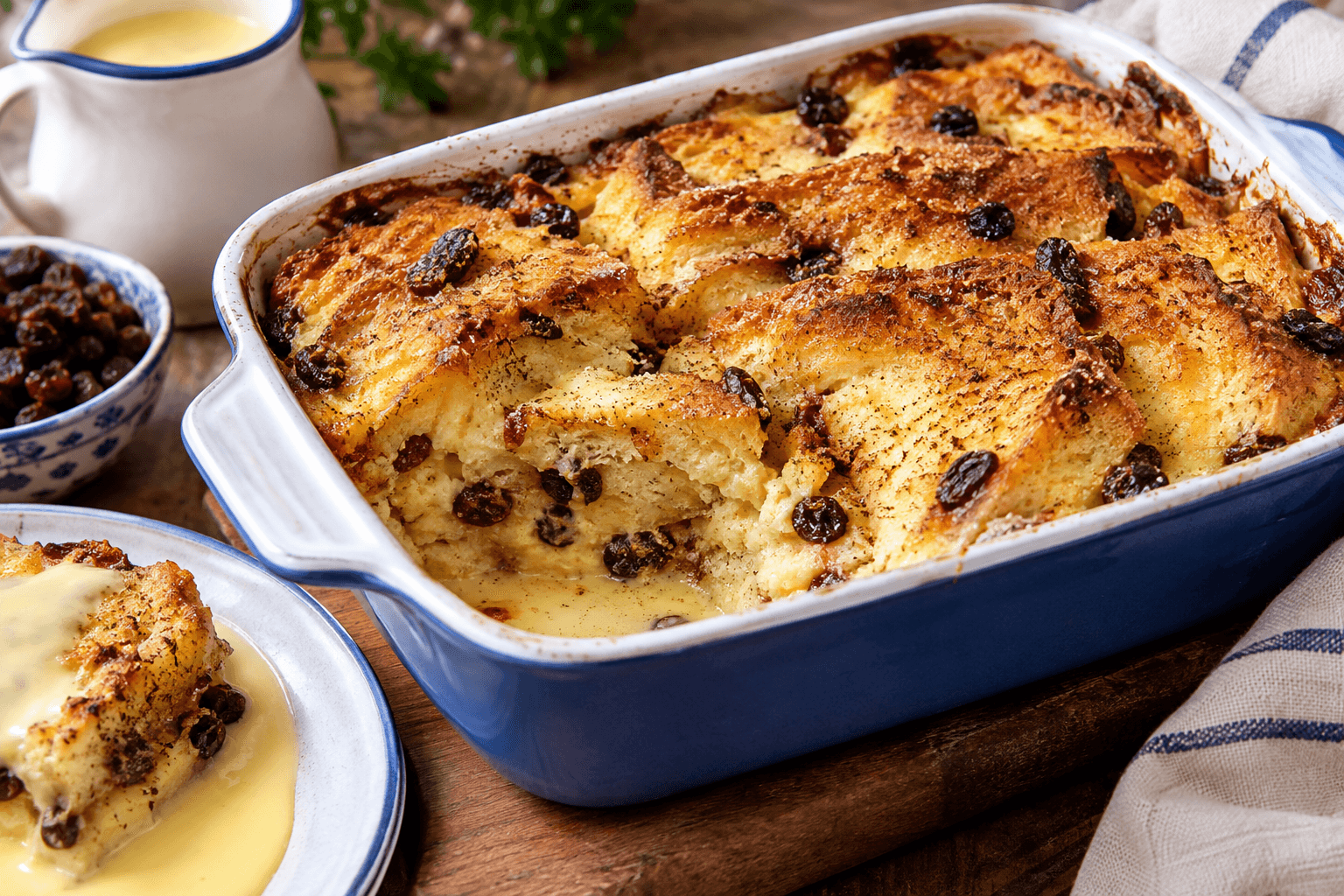
Traditional British Bread and Butter Pudding is one of the most comforting and delicious desserts in British cuisine. Made with simple ingredients such as sliced bread, butter, milk, cream, eggs, sugar, raisins, and vanilla, this classic pudding transforms everyday kitchen staples into a rich, creamy, and golden-baked dessert.
This traditional British dessert has been enjoyed by generations of families. It is especially popular during colder months when people crave warm, homemade comfort food. The combination of soft custard-soaked bread, sweet dried fruit, and a beautifully golden top makes every serving satisfying.
One of the best things about Traditional British Bread and Butter Pudding is how easy it is to prepare. You do not need expensive ingredients, complicated cooking techniques, or professional baking equipment. With a few simple steps, you can prepare a delicious homemade pudding that tastes wonderful straight from the oven.
Whether you are preparing a family dinner, planning a Sunday lunch dessert, or looking for an easy British winter recipe, this classic pudding is an excellent choice.
Pro Cooking Tips
- Read the full recipe once before starting to avoid mistakes.
- Cook patiently and do not rush the important steps.
- Watch for texture and aroma, not just the clock.
- Adjust the final flavor based on your own taste preferences.
In this guide, you will discover everything you need to make the perfect Traditional British Bread and Butter Pudding, including ingredients, preparation instructions, baking tips, variations, serving suggestions, storage advice, and answers to frequently asked questions.
What Is Traditional British Bread and Butter Pudding?
Traditional British Bread and Butter Pudding is a classic English dessert made by layering buttered slices of bread in a baking dish, adding raisins or sultanas, and covering everything with a sweet egg-based custard.
The pudding is then baked until the custard sets and the top becomes golden brown.
The texture is one of the most enjoyable parts of this dessert. The bottom layers become soft and creamy as they absorb the custard, while the upper pieces of bread develop a lightly crisp and golden surface.
My Experience Making This Recipe
My own experience with this recipe showed me that simple meals can still feel special when they are prepared with care. The flavor was much better when I gave each step enough time.
I also noticed that serving the dish at the right moment made a difference, especially for texture and freshness.
The dessert is traditionally associated with British home cooking because it provides an excellent way to use leftover bread instead of throwing it away.
A Classic British Comfort Dessert
Bread and butter pudding is more than just a simple baked dessert. It represents traditional British home cooking, where ordinary ingredients are transformed into something special.
Many families enjoy serving it during winter because it is warm, filling, and comforting.
Some people prefer it with vanilla custard, while others enjoy it with pouring cream, ice cream, or a little extra cinnamon.
Reader Tip / Cooking Advice
Always taste when possible before serving. A small final adjustment in seasoning or cooking time can improve the dish more than expected.
Why Is It Called Bread and Butter Pudding?
The name comes from its two main ingredients: bread and butter.
Traditionally, slices of bread are spread with butter before being arranged in layers inside a baking dish. A sweet custard mixture is poured over them, creating a soft and delicious pudding after baking.
Why You Will Love This Traditional British Bread and Butter Pudding Recipe
There are many reasons why this recipe deserves a place in your homemade dessert collection.
1. Simple and Affordable Ingredients
You do not need expensive ingredients to prepare this dessert. Most of the ingredients are common household staples.
Bread, butter, milk, eggs, sugar, and raisins are enough to create a delicious traditional pudding.
2. Perfect for Winter
This pudding is especially enjoyable during cold weather. Its warm custard texture and comforting flavour make it an ideal winter dessert.
3. Easy for Beginners
Even if you have never prepared a traditional British dessert before, this recipe is beginner-friendly.
The preparation mainly involves layering bread, preparing custard, and baking everything together.
4. Excellent for Using Leftover Bread
Instead of wasting slightly stale bread, you can turn it into a delicious homemade dessert.
Day-old bread is particularly useful because it absorbs custard without becoming too mushy.
5. Delicious with Different Toppings
You can serve this pudding with:
-
Warm vanilla custard
-
Fresh whipped cream
-
Vanilla ice cream
-
Caramel sauce
-
A light dusting of icing sugar
6. Perfect for Family Gatherings
This recipe can be prepared in one large baking dish and shared among family members.
It is suitable for Sunday lunches, winter dinners, and casual gatherings.
7. Customisable Flavours
You can easily change the flavour by adding cinnamon, nutmeg, orange zest, chocolate chips, or different dried fruits.
Preparation and Cooking Information
Here is a quick overview of the recipe.
| Recipe Detail | Information |
|---|---|
| Recipe Name | Traditional British Bread and Butter Pudding |
| Cuisine | British |
| Course | Dessert |
| Preparation Time | 15 minutes |
| Cooking Time | 35–45 minutes |
| Total Time | 50–60 minutes |
| Servings | 6 |
| Difficulty | Easy |
| Cooking Method | Baking |
| Main Ingredient | Bread |
| Best Season | Autumn and Winter |
Cooking times are approximate and may vary depending on your oven and baking dish.
Ingredients for Traditional British Bread and Butter Pudding
The secret to making a delicious traditional pudding is choosing good-quality ingredients and preparing the custard correctly.
Below are the ingredients you will need.
Main Ingredients
-
8 slices of white bread
-
50g unsalted butter, softened
-
50g raisins or sultanas
-
500ml whole milk
-
100ml double cream
-
3 large eggs
-
75g granulated sugar
-
1 teaspoon vanilla extract
-
½ teaspoon ground cinnamon
-
A small pinch of nutmeg
-
1 tablespoon demerara sugar for topping
Optional Ingredients
You can also include a few additional ingredients to create your preferred flavour.
-
1 tablespoon orange zest
-
30g chocolate chips
-
2 tablespoons dried cranberries
-
A small amount of chopped almonds
-
A little extra cinnamon
-
A pinch of mixed spice
Choosing the Right Bread
The bread you choose can make a noticeable difference to the final texture.
White sandwich bread is a traditional and convenient option. However, brioche, challah, or thick-cut bread can also work beautifully.
Day-old bread is especially useful because it absorbs the custard more effectively.
Should You Remove the Bread Crusts?
No, removing the crusts is not necessary.
Keeping the crusts gives the pudding a slightly different texture and helps the upper pieces develop a golden finish.
However, you can remove them if you prefer a softer and more delicate pudding.
Kitchen Equipment You Will Need
Before starting, prepare the following kitchen equipment:
-
One medium-sized baking dish
-
A sharp bread knife
-
A butter knife
-
One large mixing bowl
-
A whisk
-
A measuring jug
-
Measuring spoons
-
A small saucepan
-
A baking tray
-
An oven
Using the correct baking dish helps the pudding cook evenly.
A medium-sized rectangular or square baking dish is suitable for this recipe.
How to Make Traditional British Bread and Butter Pudding Step by Step
Follow these simple instructions to prepare a delicious homemade British pudding.
Step 1: Prepare the Bread
Start by taking eight slices of bread.
Spread a thin and even layer of softened butter over one side of each slice.
Cut the slices into triangles or smaller rectangles.
You can use a sharp knife to make clean cuts.
Helpful Tip: Slightly stale bread works particularly well because it absorbs the custard without becoming too soft too quickly.
Step 2: Prepare the Baking Dish
Take a medium-sized baking dish and lightly grease it with butter.
Arrange the buttered bread slices inside the dish.
You can overlap the slices slightly to create attractive layers.
Make sure the bread is distributed evenly throughout the baking dish.
Step 3: Add the Raisins
Sprinkle the raisins or sultanas between the bread layers.
Try to distribute them evenly so every serving contains a little dried fruit.
If you enjoy a stronger flavour, you can soak the raisins in warm water for approximately 10 minutes before using them. Drain them thoroughly before adding.
Step 4: Prepare the Custard Mixture
Take a large mixing bowl.
Add the eggs and granulated sugar.
Whisk gently until the mixture becomes smooth and slightly pale.
Next, add:
-
Whole milk
-
Double cream
-
Vanilla extract
-
Ground cinnamon
-
Nutmeg
Whisk everything together until properly combined.
The custard mixture should have a smooth consistency.
Why Is Custard Important?
Custard is responsible for the creamy texture of traditional British bread and butter pudding.
It soaks into the bread during baking and helps hold the pudding together.
A properly prepared custard creates a soft and delicious interior.
Step 5: Pour the Custard Over the Bread
Slowly pour the prepared custard mixture over the layered bread.
Make sure all the bread receives some custard.
Gently press the bread down using the back of a spoon so the slices absorb the liquid.
Allow the pudding to rest for approximately 15–20 minutes before baking.
This resting period helps the bread absorb the custard more evenly.
Step 6: Add the Topping
Sprinkle demerara sugar over the top of the pudding.
This creates a slightly crunchy and golden finish during baking.
You can also add a tiny pinch of cinnamon for extra flavour.
Step 7: Preheat the Oven
Preheat your oven to 180°C (160°C fan-assisted).
Allow the oven to reach the correct temperature before placing the pudding inside.
Preheating helps the dessert bake more evenly.
Step 8: Bake the Pudding
Place the baking dish inside the preheated oven.
Bake for approximately 35–45 minutes.
The top should become golden brown, and the custard should be set around the edges and centre.
The exact cooking time depends on the depth of your baking dish and your oven.
How to Check Whether It Is Ready
Look for the following signs:
-
The top is golden brown.
-
The bread has become lightly crisp.
-
The custard is mostly set.
-
The centre does not look excessively liquid.
For food safety, check that the centre reaches 71°C (160°F) using a food thermometer because this dessert contains eggs.
Step 9: Allow It to Rest
Remove the baking dish from the oven carefully.
Allow the pudding to rest for approximately 5–10 minutes before serving.
This helps the custard settle and makes serving easier.
Step 10: Serve and Enjoy
Serve your Traditional British Bread and Butter Pudding while it is warm.
Add a little vanilla custard, whipped cream, or vanilla ice cream.
Your delicious homemade British dessert is ready!
7 Easy Secrets for the Best Traditional British Bread and Butter Pudding
A few simple techniques can make a noticeable difference to the taste and texture of your pudding.
Secret 1: Use Slightly Stale Bread
Fresh bread can become very soft when it absorbs too much custard.
Day-old bread is often a better choice because it maintains its structure during baking.
Secret 2: Use Good-Quality Butter
Butter adds richness and flavour to every layer.
Unsalted butter is recommended because it allows you to control the overall taste.
Secret 3: Do Not Rush the Soaking Process
Give the bread enough time to absorb the custard.
Allowing it to rest for 15–20 minutes before baking helps create a creamy interior.
Secret 4: Use Vanilla Extract
Vanilla adds a pleasant aroma and enhances the flavour of the custard.
A teaspoon is usually enough for this recipe.
Secret 5: Balance the Sweetness
Raisins already contain natural sweetness.
Avoid adding too much sugar because it can make the finished pudding overly sweet.
Secret 6: Watch the Baking Time
Every oven works slightly differently.
Start checking the pudding around 35 minutes.
If the top becomes golden too quickly, loosely cover the dish with aluminium foil while the centre continues cooking.
Secret 7: Serve It Warm
This dessert is especially delicious when served warm.
A spoonful of vanilla custard creates an even richer and more comforting dessert experience.
What Makes British Bread and Butter Pudding Different?
There are many bread pudding recipes around the world, but traditional British bread and butter pudding has its own identity.
Its most recognisable feature is the use of buttered bread slices arranged in layers.
Unlike some bread puddings that are mixed into a thick batter, British bread and butter pudding usually keeps some of the original bread structure.
The result is a combination of creamy custard, soft bread, sweet dried fruit, and a lightly crisp top.
Traditional British Version
The traditional version commonly includes:
-
Buttered white bread
-
Milk and cream
-
Eggs
-
Sugar
-
Raisins or sultanas
-
Vanilla
-
Nutmeg or cinnamon
Modern Version
Modern versions may include brioche, chocolate, caramel, fresh fruit, or different spices.
Both versions can be delicious, but the traditional recipe keeps the focus on simple ingredients and classic British flavours.
Delicious Variations of Bread and Butter Pudding
One of the best things about this recipe is how easily you can customise it.
Here are some delicious variations to try.
1. Chocolate Bread and Butter Pudding

Chocolate lovers can add chocolate chips or small pieces of dark chocolate between the bread layers.
As the pudding bakes, the chocolate softens and creates delicious chocolate pockets.
You can also sprinkle a few chocolate chips over the top before baking.
2. Brioche Bread and Butter Pudding

Brioche is a soft, buttery bread that works beautifully in this recipe.
It produces a richer dessert with a delicate texture.
Because brioche is naturally rich, you may prefer to reduce the amount of added butter slightly.
3. Cinnamon Bread and Butter Pudding

For a warmer flavour, increase the cinnamon slightly.
You can also add a little mixed spice.
This version is especially suitable for cold winter evenings.
4. Orange and Raisin Bread Pudding

Orange zest adds a fresh citrus aroma that balances the sweetness of raisins.
Add approximately one tablespoon of orange zest to the custard mixture.
5. Apple Bread and Butter Pudding

Thinly sliced apples can add natural sweetness and a pleasant texture.
Arrange a few apple slices between the bread layers.
Cinnamon and apple make a particularly comforting combination.
6. Dairy-Free Bread and Butter Pudding
You can prepare a dairy-free version by replacing regular milk and cream with suitable unsweetened plant-based alternatives.
Use a dairy-free butter substitute and check that your bread is also dairy-free.
The final flavour and texture may differ slightly from the traditional version.
Best Bread Choices for This Recipe
Choosing the correct bread is important because different types absorb custard differently.
| Bread Type | Texture | Best For |
|---|---|---|
| White bread | Soft and traditional | Classic recipe |
| Brioche | Rich and buttery | Luxury dessert |
| Challah | Light and fluffy | Special occasions |
| Wholemeal bread | Slightly dense | Heartier variation |
| French bread | Chewy and firm | Rustic pudding |
For a traditional British flavour, ordinary white bread is an excellent choice.
What to Serve with Traditional British Bread and Butter Pudding
This pudding tastes wonderful on its own, but the right accompaniment can make it even more enjoyable.
1. Warm Vanilla Custard

Warm vanilla custard is one of the most traditional serving choices.
Pour a little custard over the pudding just before serving.
The smooth sauce complements the soft bread and golden topping.
2. Fresh Whipped Cream

Fresh whipped cream adds a light and creamy contrast.
Serve a small spoonful alongside each portion.
3. Vanilla Ice Cream

Vanilla ice cream is an excellent option if you enjoy hot and cold dessert combinations.
Place one scoop next to a warm serving.
4. Caramel Sauce

A small drizzle of caramel sauce creates a richer and sweeter dessert.
It works particularly well with brioche and cinnamon variations.
Common Mistakes to Avoid
Even though this is an easy recipe, a few mistakes can affect the final result.
1. Using Too Much Custard
Adding too much liquid can leave the centre excessively wet.
Follow the ingredient measurements and allow the bread to absorb the custard before baking.
2. Baking at an Incorrect Temperature
An oven that is too hot can brown the top before the custard has properly set.
Maintain the recommended temperature and check the centre before serving.
3. Skipping the Resting Time
Putting the pudding straight into the oven without allowing the bread to soak can result in uneven texture.
A short resting period makes a difference.
4. Adding Too Much Sugar
Raisins, sultanas, and sweet bread already contribute sweetness.
Keep the sugar balanced to enjoy the traditional flavour.
5. Cutting It Immediately After Baking
Allowing the pudding to rest for several minutes helps the custard settle.
This also makes it easier to serve neat portions.
How to Store Bread and Butter Pudding
If you have leftovers, proper storage helps maintain their quality.
Refrigerating Leftovers
Allow the pudding to cool slightly before transferring leftovers into a suitable airtight container.
Refrigerate within two hours of cooking.
Store at 4°C (40°F) or below and consume within 3–4 days.
Freezing Bread and Butter Pudding
You can freeze this pudding, although the custard texture may change slightly after thawing.
For better results:
-
Allow the pudding to cool completely.
-
Divide it into individual portions.
-
Place the portions in freezer-safe containers.
-
Label the containers with the preparation date.
-
Freeze promptly.
For best quality, use frozen portions within approximately 2 months.
How to Reheat It
You can reheat individual portions in the oven or microwave.
Oven method:
-
Preheat the oven to approximately 160°C.
-
Place the portion in an oven-safe dish.
-
Cover loosely with foil.
-
Heat until piping hot throughout.
Microwave method:
-
Place one portion in a microwave-safe dish.
-
Cover loosely.
-
Heat in short intervals.
-
Check that it is steaming hot throughout.
Avoid repeatedly reheating the same portion.
Nutritional Information
The nutritional values below are estimates for one serving based on six portions.
| Nutrient | Approximate Amount |
|---|---|
| Calories | 350–420 kcal |
| Carbohydrates | 40–48g |
| Protein | 10–13g |
| Fat | 16–21g |
| Sugar | 20–26g |
| Fibre | 1–3g |
Actual nutritional values depend on the bread, butter, cream, milk, and sugar used.
When to Make Traditional British Bread and Butter Pudding
This classic dessert is suitable for many occasions.
Winter Family Dinners
A warm serving after dinner is a wonderful way to finish a cold-weather meal.
Sunday Lunch
Traditional British Sunday lunches often include comforting desserts.
Bread and butter pudding is an excellent homemade option.
Christmas Gatherings
You can add orange zest, cinnamon, nutmeg, and dried cranberries to create a festive variation.
Weekend Baking
Because the recipe uses simple ingredients, it is perfect for relaxed weekend baking.
Using Leftover Bread
If you have bread that is no longer fresh enough for sandwiches, this recipe offers a delicious way to use it.
Frequently Asked Questions (FAQs)
1. What Is Traditional British Bread and Butter Pudding Made Of?
Traditional British bread and butter pudding is made with buttered bread slices, milk, cream, eggs, sugar, raisins, vanilla, and spices. The ingredients are layered together and baked until the custard sets.
2. Which Bread Is Best for Bread and Butter Pudding?
White bread is a traditional choice. Brioche and challah are also excellent options if you prefer a richer texture.
3. Can I Use Fresh Bread?
Yes, fresh bread can be used. However, slightly stale bread generally absorbs custard more effectively while maintaining its structure.
4. Why Is My Bread and Butter Pudding Soggy?
It may become soggy if you add too much custard, use very fresh bread, or do not bake it long enough.
Allow the bread to soak before baking and check that the centre is properly set.
5. Can I Make Bread and Butter Pudding Without Raisins?
Absolutely! You can leave out raisins or replace them with chocolate chips, dried cranberries, chopped dates, or other dried fruit.
6. Can I Prepare It in Advance?
Yes. You can assemble the pudding, cover it, and refrigerate it before baking.
For food safety, keep it refrigerated and bake it within 24 hours. Allow a little additional baking time if it goes into the oven cold, and check that the centre is fully cooked.
7. Can I Use Brown Bread?
Yes. Brown bread can be used, although it produces a slightly different flavour and texture.
8. How Do I Know When It Is Fully Cooked?
The top should be golden brown, and the custard should be set rather than liquid in the centre.
For this egg-based pudding, use a food thermometer to confirm that the centre reaches 71°C (160°F).
9. Can I Make This Recipe Without Cream?
Yes. You can replace the cream with additional whole milk.
The pudding may be slightly less rich, but it will still taste delicious.
10. Is Bread and Butter Pudding Served Hot or Cold?
It can be enjoyed warm or cold.
However, many people prefer it warm with vanilla custard or fresh cream.
11. Can I Make Bread and Butter Pudding Without an Oven?
An oven is the traditional cooking method. You can experiment with a covered steaming method, but the texture and golden top will be different.
12. What Is the Difference Between Bread Pudding and Bread and Butter Pudding?
Bread pudding recipes often combine bread into a thicker mixture before baking. Traditional British bread and butter pudding uses buttered bread slices arranged in layers and covered with custard.
Expert Tips for Perfect Results Every Time
If you want your pudding to look and taste like a traditional homemade British dessert, remember these additional tips.
Choose the Correct Baking Dish
A medium-sized baking dish helps the pudding cook evenly.
A dish that is too deep may require a longer baking time.
Arrange the Bread Beautifully
Slightly overlapping the slices creates an attractive layered appearance.
You can arrange the triangles in rows or in a circular pattern.
Distribute the Raisins Evenly
Do not place all the raisins on top.
Add some between the layers so the fruit is distributed throughout the dessert.
Avoid Overbaking
Overbaking can make the custard dry and the bread too firm.
Check the pudding regularly towards the end of the cooking time.
Add a Golden Finish
Demerara sugar creates a pleasant texture on top.
You can also place the pudding under the grill briefly if necessary, but watch it carefully to prevent burning.
Why This Recipe Is Perfect for British Winter Cooking
British winter cooking is well known for comforting meals, warming flavours, and traditional homemade dishes.
During colder months, people often enjoy recipes that are filling, simple, and made with everyday ingredients.
Traditional British Bread and Butter Pudding fits perfectly into this style of cooking.
Its warm custard, buttery bread, sweet raisins, and gentle spices create a dessert that feels especially comforting during autumn and winter.
It is also a practical recipe because it helps reduce food waste by using leftover bread.
You can prepare it for an ordinary family dinner or make it part of a special weekend meal.
Another advantage is that the recipe can easily be adjusted according to your preferences. Whether you enjoy classic raisins, chocolate, apples, or cinnamon, there are many ways to make this dessert your own.
Final Thoughts
Traditional British Bread and Butter Pudding is a timeless dessert that proves simple ingredients can create something truly delicious.
With buttered bread, creamy vanilla custard, sweet raisins, and a golden baked topping, this traditional British recipe offers everything you could want from a comforting homemade dessert.
The preparation is simple, the ingredients are affordable, and the result is perfect for sharing with family and friends.
Whether you serve it with warm vanilla custard, whipped cream, or a scoop of vanilla ice cream, this classic pudding is sure to become a favourite in your dessert collection.
Try this easy Traditional British Bread and Butter Pudding recipe during the winter season and enjoy a delicious taste of classic British home cooking! “If you love traditional British desserts, try our [Classic Apple Crumble] for another comforting homemade treat.” “For more delicious British desserts, explore our [Sticky Toffee Pudding] and [Classic English Trifle] recipes.” https://kickpromoted.com/
Final Thoughts
If you are looking for a recipe that is both approachable and satisfying, this one is worth trying. Paying attention to the basics can help you get consistently good results.
Enjoy it fresh and adapt it over time as you learn what works best in your kitchen.