
Table of Contents
ToggleSoft & Cheesy Scrambled Eggs Everyone Loves
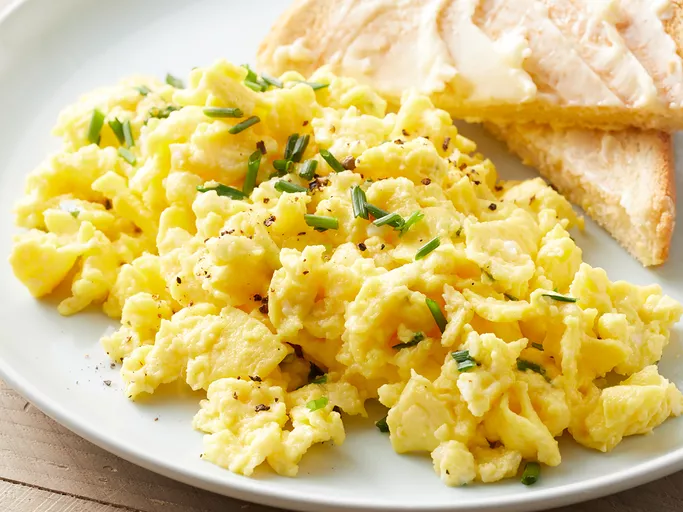
Learn how to make soft, fluffy, creamy, and cheesy scrambled eggs with simple ingredients and easy cooking techniques perfect for breakfast or brunch.
Soft cheesy scrambled eggs are one of the most comforting and satisfying breakfast dishes you can prepare at home. Whether you are cooking for yourself, your family, or guests during brunch, scrambled eggs remain a timeless favorite because they are quick, affordable, protein-rich, and incredibly delicious.
The secret to perfect soft cheesy scrambled eggs is achieving a creamy texture while avoiding dry or rubbery eggs. With the right ingredients, cooking temperature, and timing, you can create restaurant-style scrambled eggs that are fluffy, rich, buttery, and packed with cheesy goodness.
This complete guide explains everything you need to know about making the best soft cheesy scrambled eggs. You will learn about ingredients, cooking techniques, variations, common mistakes, nutritional benefits, serving ideas, and professional tips for achieving perfectly creamy eggs every time.
Pro Cooking Tips
- Use fresh ingredients for the best flavor and texture.
- Cook on medium heat so the dish cooks evenly without burning.
- Taste before serving and adjust seasoning if needed.
- Serve the recipe fresh for the best overall result.
Why Soft & Cheesy Scrambled Eggs Are So Popular
Soft cheesy scrambled eggs are loved worldwide because they are simple yet deeply satisfying. Eggs cook quickly, pair well with many ingredients, and provide a healthy source of protein and nutrients.
Comfort Food for Every Age
Soft scrambled eggs are comforting and easy to eat, making them popular with both children and adults.
Quick and Easy Breakfast
You can prepare cheesy scrambled eggs in less than 10 minutes, making them perfect for busy mornings.
Rich and Creamy Texture
Adding cheese creates creamy texture and rich flavor that makes scrambled eggs more indulgent.
My Experience Making This Recipe
When I first made this recipe, I noticed that simple steps and proper timing made the biggest difference in the final taste. Taking a little extra care with the cooking process helped bring out better flavor and texture.
After trying this recipe more than once, I found that using fresh ingredients and not rushing the steps gives the best results. Small adjustments during cooking can make the dish taste even better.
Affordable Meal Option
Eggs and cheese are inexpensive ingredients available in almost every kitchen.
Versatile Dish
You can customize scrambled eggs with vegetables, meats, herbs, and spices.
Ingredients for Soft & Cheesy Scrambled Eggs
Using quality ingredients is essential for flavorful and creamy scrambled eggs.
Eggs
Fresh eggs create the best flavor and texture. Large eggs are most commonly used.
Reader Tip / Cooking Advice
For the best result, prepare everything before cooking and keep an eye on timing. Small details like heat level, texture, and seasoning balance can make a big difference in the final dish.
Why Fresh Eggs Matter
Fresh eggs produce fluffier scrambled eggs and richer taste.
Cheese
Cheese gives scrambled eggs creamy richness and savory flavor.
Best Cheese Options
Cheddar Cheese
Sharp cheddar melts beautifully and adds bold flavor.
Mozzarella Cheese
Mozzarella creates stretchy and creamy texture.
Parmesan Cheese
Parmesan adds salty and nutty flavor.
American Cheese
American cheese melts smoothly and creates ultra-creamy eggs.
Cream Cheese
Cream cheese makes scrambled eggs extremely soft and silky.
Butter
Butter prevents sticking and adds richness.
Salted vs Unsalted Butter
Unsalted butter gives better control over seasoning.
Milk or Cream
Adding milk or cream makes eggs softer and creamier.
Heavy Cream
Heavy cream creates luxurious scrambled eggs.
Whole Milk
Milk keeps eggs moist without making them too heavy.
Salt
Salt enhances flavor and balances richness.
Black Pepper
Freshly ground black pepper adds mild heat and aroma.
Essential Kitchen Tools
Having the right tools makes cooking easier.
Nonstick Pan
A nonstick skillet prevents eggs from sticking.
Silicone Spatula
A flexible spatula helps gently fold the eggs.
Mixing Bowl
Use a medium bowl for whisking eggs.
Whisk or Fork
Whisking incorporates air for fluffier eggs.
How to Make Soft & Cheesy Scrambled Eggs
Follow these simple steps for perfectly creamy scrambled eggs.
Step-by-Step Recipe
Ingredients
- 4 large eggs
- 1/4 cup shredded cheddar cheese
- 1 tablespoon butter
- 2 tablespoons milk or cream
- Salt to taste
- Black pepper to taste
Step 1: Crack the Eggs
Crack eggs into a bowl.
Whisk Thoroughly
Whisk until yolks and whites fully combine.
Whisking introduces air and improves texture.
Step 2: Add Milk and Seasoning
Mix milk, salt, and pepper into the eggs.
Do Not Oversalt
Cheese already contains salt.
Step 3: Heat the Pan
Place nonstick pan over low heat.
Low Heat Is Essential
High heat cooks eggs too quickly and creates rubbery texture.
Step 4: Melt Butter
Add butter and allow it to melt gently.
Avoid Browning the Butter
Brown butter changes the flavor profile.
Step 5: Add Eggs
Pour egg mixture into the warm pan.
Step 6: Stir Slowly
Use spatula to gently move eggs around the pan.
Create Soft Curds
Slow stirring forms creamy and delicate egg curds.
Step 7: Add Cheese
When eggs are slightly undercooked, add cheese.
Residual Heat Melts Cheese
The cheese will melt naturally without overcooking eggs.
Step 8: Remove from Heat
Take eggs off the heat while still soft and glossy.
Eggs Continue Cooking
Residual heat finishes cooking the eggs after removal.
Tips for Perfect Soft & Cheesy Scrambled Eggs
Professional chefs use several techniques to achieve creamy scrambled eggs.
Cook on Low Heat
Low heat is the most important factor.
Why Low Heat Matters
Gentle cooking preserves moisture and softness.
Stir Constantly but Gently
Continuous gentle stirring prevents overcooking.
Remove Eggs Early
Take eggs off heat before fully cooked.
Carryover Cooking
Eggs continue cooking from residual heat.
Use Quality Cheese
Freshly shredded cheese melts better than pre-packaged cheese.
Avoid Overcrowding the Pan
Small batches cook more evenly.
Common Mistakes to Avoid
Even simple scrambled eggs can go wrong without proper technique.
Cooking on High Heat
High heat creates dry and rubbery eggs.
Overcooking the Eggs
Overcooked eggs lose creaminess quickly.
Adding Cheese Too Early
Cheese added too soon may separate or burn.
Not Whisking Enough
Poorly mixed eggs cook unevenly.
Using a Cold Pan
A cold pan prevents proper cooking.
Best Cheese Choices for Scrambled Eggs
Different cheeses create different flavors and textures.
Cheddar Cheese Scrambled Eggs
Cheddar is one of the most popular choices.
Sharp Cheddar
Sharp cheddar provides stronger flavor.
Mild Cheddar
Mild cheddar creates balanced creaminess.
Mozzarella Scrambled Eggs
Mozzarella creates stretchy and smooth eggs.
Parmesan Scrambled Eggs
Parmesan adds rich umami flavor.
Cream Cheese Scrambled Eggs
Cream cheese makes eggs velvety and luxurious.
American Cheese Scrambled Eggs
American cheese melts smoothly for diner-style eggs.
Healthy Benefits of Scrambled Eggs
Eggs are highly nutritious and support a healthy diet.
High in Protein
Eggs provide complete protein with essential amino acids.
Rich in Vitamins
Eggs contain:
- Vitamin B12
- Vitamin D
- Vitamin A
- Riboflavin
Supports Muscle Health
Protein helps maintain and build muscle mass.
Keeps You Full Longer
Protein and fat increase satiety.
Brain Health Support
Eggs contain choline, important for brain function.
Variations of Soft & Cheesy Scrambled Eggs
You can customize scrambled eggs with endless ingredients.
Vegetable Scrambled Eggs
Add healthy vegetables for color and nutrition.
Spinach
Spinach adds vitamins and freshness.
Mushrooms
Mushrooms provide savory flavor.
Bell Peppers
Bell peppers add sweetness and crunch.
Tomatoes
Tomatoes add juicy freshness.
Meat Lover’s Scrambled Eggs
Protein-rich additions create hearty breakfast meals.
Bacon
Crispy bacon adds smoky flavor.
Sausage
Breakfast sausage creates rich taste.
Ham
Ham pairs perfectly with cheese.
Spicy Scrambled Eggs
Add heat for extra flavor.
Jalapeños
Fresh jalapeños add spicy kick.
Hot Sauce
Hot sauce enhances flavor beautifully.
Chili Flakes
Red chili flakes add warmth.
Herb Scrambled Eggs
Fresh herbs improve aroma and freshness.
Chives
Chives pair perfectly with eggs.
Parsley
Parsley adds freshness and color.
Dill
Dill creates subtle herbal flavor.
Best Bread to Serve with Scrambled Eggs
Bread complements creamy scrambled eggs perfectly.
Toast
Classic buttered toast is always popular.
Croissants
Flaky croissants create luxurious breakfast combinations.
Bagels
Bagels pair well with cheesy eggs.
English Muffins
English muffins add texture and crunch.
Side Dishes for Scrambled Eggs
Balanced sides complete the meal.
Hash Browns
Crispy potatoes pair perfectly with eggs.
Fresh Fruit
Fruit adds refreshing contrast.
Avocado
Avocado provides healthy fats.
Breakfast Sausage
Sausage adds savory richness.
Scrambled Eggs Around the World
Different cultures prepare scrambled eggs differently.
American Scrambled Eggs
American scrambled eggs are fluffy and buttery.
French Scrambled Eggs
French-style eggs are ultra-creamy and soft.
Turkish Scrambled Eggs
Turkish eggs often include tomatoes and peppers.
Indian Egg Bhurji
Indian scrambled eggs use spices and herbs.
How Restaurants Make Perfect Scrambled Eggs
Restaurant-quality eggs require attention to detail.
Constant Stirring
Chefs continuously move eggs during cooking.
Butter-Rich Cooking
Butter creates luxurious texture.
Timing Is Critical
Professional cooks remove eggs before fully set.
How to Store Scrambled Eggs
Fresh eggs taste best, but leftovers can be stored safely.
Refrigeration
Store in airtight containers for up to 2 days.
Reheating
Reheat slowly over low heat.
Avoid Microwaving Too Long
Microwaving can dry out eggs.
Can You Freeze Scrambled Eggs?
Yes, but texture may slightly change.
Best Freezing Method
Cool eggs completely before freezing.
Meal Prep with Scrambled Eggs
Scrambled eggs work well for meal prep.
Breakfast Burritos
Use scrambled eggs inside tortillas.
Breakfast Sandwiches
Egg sandwiches are easy grab-and-go meals.
Protein Bowls
Pair eggs with rice and vegetables.
Nutritional Information
Approximate nutrition per serving:
- Calories: 250
- Protein: 16g
- Fat: 18g
- Carbohydrates: 3g
Values vary depending on ingredients used.
Frequently Asked Questions
Why Are My Scrambled Eggs Dry?
Dry eggs usually result from high heat or overcooking.
Should I Add Milk to Scrambled Eggs?
Milk creates softer eggs but is optional.
What Cheese Melts Best?
Cheddar, mozzarella, and American cheese melt beautifully.
Can I Make Scrambled Eggs Without Butter?
Yes, but butter improves flavor and texture.
How Do I Keep Eggs Creamy?
Cook slowly and remove early from heat.
Pro Chef Secrets for Soft Scrambled Eggs
Professional cooks rely on technique rather than complicated ingredients.
Use Low Heat Only
Patience creates creamy eggs.
Stir Continuously
Movement prevents overcooking.
Add Butter Generously
Butter improves texture dramatically.
Finish with Cheese Last
Late cheese addition prevents separation.
Conclusion
Soft and cheesy scrambled eggs are one of the easiest and most satisfying breakfast recipes you can make at home. Their creamy texture, rich cheesy flavor, and fluffy consistency make them perfect for breakfast, brunch, meal prep, or quick dinners.
By cooking eggs slowly over low heat, stirring gently, and adding quality cheese at the right moment, you can create restaurant-style scrambled eggs every single time. Whether you enjoy them plain or loaded with vegetables, herbs, meats, or spices, soft cheesy scrambled eggs are endlessly customizable and always delicious.
Serve them with toast, avocado, crispy potatoes, or fresh fruit for a balanced and comforting meal everyone will love.
Final Thoughts
This recipe is a great option when you want something simple, flavorful, and satisfying. With the right ingredients and a little attention to timing, you can make it successfully at home.
If you enjoyed this recipe, feel free to adjust it to your taste and try different serving ideas.